The best driver shaft is the one that fits your swing speed and tempo, not the one your favorite tour player uses. Get the flex and weight right first; the brand name matters far less.
For most golfers, that starting point is the Fujikura Ventus Blue VeloCore+, which runs from about 58 to 94 grams and R2 to TX flex with a mostly mid-launch, low-spin profile. Slower swingers should look at the lighter Fujikura Ventus White, fast swingers who hit it too high at the Project X HZRDUS G5 Black, and budget buyers at the Fujikura Vista Pro.
We chose these driver shafts through in-depth research and our experience evaluating golf equipment: we checked each shaft’s current specs, read independent test results and owner feedback, and skipped the cheaper “made for” stock versions sold under the same names.
Our Top Picks at a Glance
Each pick links to its full review below, with specs, pros and cons.
- Best overall: Fujikura Ventus Blue VeloCore+ — mid launch and low spin in weights from about 58 to 94 grams, R2 to TX.
- Best for seniors and slow swing speeds: Fujikura Ventus White — the lightest Ventus wood shaft at 49.5 grams, built for high launch.
- Best for fast swing speeds: Project X HZRDUS G5 Black — low launch and low spin in 60, 70 and 80 gram weight classes.
- Best low-spin shaft: Mitsubishi Tensei 1K Pro White — a high kick point and a low-launch, low-spin profile from about 54 to 86 grams.
- Best for smooth feel and mid-high launch: Graphite Design Tour AD DI — a mid-kick-point shaft that launches higher in its lighter weights and is known for its smooth feel.
- Best ready-to-play shaft fitted by swing speed: Newton Motion — six “dot” flexes matched to swing-speed bands, sold by Newton with an adapter for your driver brand.
- Best budget driver shaft: Fujikura Vista Pro — light, high-launching versions from about 48 grams at a fraction of the cost of the premium picks.
Best Driver Shafts Compared
Here’s how our seven picks compare on the specs that matter most when you match a shaft to your swing.
| Shaft | Best for | Weight | Flexes | Torque | Launch / spin | Where to buy |
|---|---|---|---|---|---|---|
| Fujikura Ventus Blue VeloCore+ | Best overall | 58–94 g | R2, R, S, X, TX | 2.8–3.9° | Mid / low (mid-high / mid in the 5 R2) | Amazon |
| Fujikura Ventus White | Seniors and slow swing speeds | 49.5 g | R2, R, S | 5.0° | High / mid-high | Amazon |
| Project X HZRDUS G5 Black | Fast swing speeds | 60, 70 and 80 g classes | 5.5, 6.0, 6.5, TX | 2.7–3.5° | Low / low | True Temper |
| Mitsubishi Tensei 1K Pro White | Low spin | 54–86 g | R, S, X, TX | 2.7–4.6° | Low / low | Amazon (60 S) |
| Graphite Design Tour AD DI | Smooth feel, mid-high launch | 54–97 g | R2, R1, SR, S, X, TX | 2.6–4.7° | High to mid by weight / not published | Amazon |
| Newton Motion | Ready to play, fitted by swing speed | 53–78 g | Dots 1–6 (under 75 to 115+ mph) | 3.5–6.0° | Not published | Amazon (sold by Newton) |
| Fujikura Vista Pro | Budget | 48–75.5 g | R3, R2, R, S, X | 4.5–6.4° | High / high (45–60); mid / mid (65, 75) | See options |
Find Your Driver Shaft by Swing Speed
Your driver swing speed is the quickest way to narrow the field. Use the table as a starting point, then let your tempo settle it: a quick, aggressive transition usually suits the next stiffer or heavier option, and a smooth swing often suits the softer or lighter one. Flex also isn’t standardized, so one brand’s stiff can play closer to another’s regular or X-stiff.
Not sure of your number? Our swing speed chart shows typical speeds by age and skill level, and a swing speed radar will measure yours at the range.
| Driver swing speed | Typical flex | Shaft weight | Launch and spin to look for | Picks from this list |
|---|---|---|---|---|
| Under 85 mph | Senior (A or R2); ladies (L) below about 72 mph | 40–55 g | High launch, mid to high spin | Ventus White, Vista Pro 45 or 55, Newton Motion (1 or 2 dots) |
| 85–95 mph | Regular | 50–65 g | Mid-high launch, mid spin | Ventus Blue 5 (R2 or R), lighter Tour AD DI models, Newton Motion (3 dots), Vista Pro 60 or 65 |
| 95–105 mph | Stiff | 60–70 g | Mid launch, low to mid spin | Ventus Blue 6 (S), Tensei 1K Pro White 60 (S), Tour AD DI (S), Newton Motion (4 dots) |
| 105 mph and up | X-stiff, or stiff with a smooth tempo | 65–80 g | Low to mid launch, low spin | HZRDUS G5 Black, Tensei 1K Pro White (X or TX), Ventus Blue 6 or 7 (X or TX), Newton Motion (5 or 6 dots) |
If a new driver makes more sense than a new shaft, see our picks for the best drivers for slow swing speeds and the best drivers for seniors.
Our Driver Shaft Picks in Detail
Each review covers who the shaft suits, its key specs and what to watch for when you buy. Two buying tips apply to all of them. First, make sure you’re getting the aftermarket shaft, not a cheaper “made for” stock version sold under the same name; we explain the difference in stock vs. aftermarket shafts. Second, makers such as Fujikura and Project X tie their warranties to their authorized dealers, so a shaft bought from another seller may not be covered.
1. Fujikura Ventus Blue VeloCore+ – Best Overall

The Ventus Blue is the shaft we’d have most golfers try first. Its mid-launch, low-spin profile suits a wide range of swings, and it runs from a 58-gram R2 to a 94-gram X, so most swing speeds can find a version that fits.
Fujikura’s VeloCore+ construction uses a multi-material core that the company says stabilizes the clubhead through the swing, encouraging center-face contact and tighter dispersion. The lightest version, the Blue 5 in R2, launches a little higher with mid spin, which makes it a good fit for moderate swing speeds. Fujikura also says it has been the No. 1 driver shaft brand on the PGA Tour for five straight years.
Also consider: if you have a fast, aggressive transition, look at the 2026 Ventus TR Blue VeloCore+. It keeps the mid-launch, low-spin idea in a heavier range (about 60 to 98 grams, R to TX, with no R2), and reviewers describe it as slightly stiffer and more stable than the standard Blue.
Who It’s For
Golfers swinging roughly 85 mph and up who want a stable, mid-launch, low-spin shaft and aren’t sure where to start. Its wide weight range also suits players who want to match a specific weight to their tempo.
Look Elsewhere If
You swing under about 85 mph and need more height (the Ventus White is the better Fujikura choice), or you already hit the ball low and need more spin.
Specs
| Weights | 58–94 g (Blue 5 to Blue 9) |
|---|---|
| Flexes | R2, R, S, X, TX |
| Torque | 2.8–3.9° |
| Launch | Mid (mid-high in the 5 R2) |
| Spin | Low (mid in the 5 R2) |
| VeloCore+ version released | 2024 |
Pros
- Mid-launch, low-spin profile that suits a wide range of players
- Wide fitting range, from 58 to 94 grams and R2 to TX
- Lighter R2 and R versions launch a little higher for moderate speeds
- Higher-launching and firmer siblings (Ventus White, TR Blue) if you need to adjust
Cons
- Cheaper “non-VeloCore” stock versions are sold under the same Ventus name
- Sold on Amazon by a third-party seller, not by Fujikura
- Too low-spinning for many slow swingers
Buying tip: look for “VeloCore+” in the listing. Ventus listings that say “NON VELOCORE” are the stock version, not this shaft.
2. Fujikura Ventus White VeloCore+ – Best for Seniors and Slow Swing Speeds

The Ventus White brings Fujikura’s VeloCore+ construction to golfers who need help getting the ball in the air. Added to the Ventus family in 2025, it’s the lightest model in the line at just under 50 grams, and Fujikura rates it for the highest launch and spin of the four Ventus profiles.
Fujikura says the extra launch and spin come without sacrificing the consistency and stability the Ventus line is known for. It comes in a single weight class with R2, R and S flexes, so choosing one is simple: R2 for the slowest swings, R or S as your speed and tempo rise. Fujikura labels that weight class the “4” and some listings call it the “40,” but Fujikura lists its weight as 49.5 grams.
Who It’s For
Seniors and other golfers swinging under about 85 mph who want more height and carry, plus smooth swingers a little faster than that who prefer a light shaft.
Look Elsewhere If
You swing faster than about 90 mph or have a quick transition. A shaft this light and this active is likely to feel loose, and the Ventus Blue 5 is the next step up. On a tighter budget, the Vista Pro 45 offers a similar light, high-launch idea.
Specs
| Weight | 49.5 g (one weight class, the “4”) |
|---|---|
| Flexes | R2, R, S |
| Torque | 5.0° |
| Launch | High |
| Spin | Mid-high |
| Bend point | Low |
| Released | 2025 |
Pros
- Lightest Ventus, at just under 50 grams
- Highest launch and spin of the Ventus profiles
- Premium VeloCore+ construction in a senior-friendly weight
- Simple choice of R2, R or S
Cons
- Only one weight class
- Too light and active for fast or aggressive swings
- Sold on Amazon by a third-party seller, not by Fujikura
3. Project X HZRDUS G5 Black – Best for Fast Swing Speeds
If you swing hard and your drives climb too high or spin too much, the HZRDUS G5 Black is built for you. Project X rates it low launch and low spin, and it comes in heavier 60, 70 and 80 gram classes with 5.5, 6.0, 6.5 and TX flexes. On Project X’s numbered scale, 6.0 is stiff and 6.5 is extra stiff.
It’s the latest model in Project X’s HZRDUS Black line, its low-launch, low-spin family for aggressive swings. It has a visible carbon weave in the midsection, and one reviewer found this generation a little smoother through transition than earlier Black models without losing the stable, penetrating flight.
Also consider: the Fujikura Ventus Black VeloCore+, which Fujikura markets for stability and a more penetrating flight than the Ventus Blue. Fujikura says it was in the drivers of all four 2025 men’s major champions.
Who It’s For
Players swinging about 105 mph and up, or slightly slower players with a fast, aggressive transition, who need to bring launch and spin down.
Look Elsewhere If
Your swing speed is average or slower. This shaft is too low-launching for most players under about 100 mph; the Ventus Blue is a better all-round choice.
Specs
| Weight classes | 60, 70 and 80 g |
|---|---|
| Flexes | 5.5, 6.0, 6.5, TX |
| Torque | 2.7–3.5° |
| Launch | Low |
| Spin | Low |
| Released | Not published |
Pros
- Low launch and low spin flatten a fast swinger’s ball flight
- Stable through aggressive transitions
- Heavier 70 and 80 gram options
- TX flex for the fastest swings
Cons
- No light or soft versions
- Too low-launching for most average swing speeds
- We didn’t find the genuine aftermarket shaft on Amazon
Buying tip: much cheaper “HZRDUS Gen 5 Black” listings on Amazon don’t appear to be the aftermarket shaft, so we link to True Temper, which makes Project X shafts. You can also buy from an authorized dealer.
4. Mitsubishi Tensei 1K Pro White – Best Low-Spin Driver Shaft

For players whose drives balloon, the Tensei 1K Pro White is Mitsubishi’s low-launch, low-spin answer. It pairs a high kick point with active tip and handle sections and a strong midsection, and Mitsubishi pitches it at anyone seeking low launch and low spin with a stable handle.
That stability comes from 1K carbon fiber in the handle, which Mitsubishi says is three times thinner than carbon Kevlar and resists deformation in the downswing for more center-face strikes. The tip adds 46-ton carbon and boron for strength. Mitsubishi’s fit guide puts the R flex at 81–90 mph, S at 91–105 mph and X or TX above 106 mph.
The 1K Pro White replaced the Tensei CK Pro White in 2021. Don’t confuse it with the Tensei 1K White (2026), which is a separate model.
Who It’s For
Golfers who launch the ball too high with too much spin, fast swingers who play in the wind, and players who like a firm, stable feel.
Look Elsewhere If
You swing slowly or need more height. A high-kick, low-launch shaft will make that harder; try the Tour AD DI or the Ventus Blue instead.
Specs
| Weights | 54–86 g (50, 60, 70 and 80 classes) |
|---|---|
| Flexes | R, S, X, TX (R in the 50 and 60 only) |
| Torque | 2.7–4.6° |
| Launch | Low |
| Spin | Low |
| Kick point | High |
| Released | 2021 |
Pros
- Takes launch and spin off ballooning drives
- 1K carbon handle for stability
- 50-gram versions if you want a lighter low-spin shaft
- Clear swing-speed fit guide from Mitsubishi
Cons
- Too low-launching for slow swings
- R flex only in the two lightest weights
- An older design than most of our picks
Buying tip: our link goes to the 60 S version. Other weights and flexes are sold as separate Amazon listings, so check the weight and flex before you buy.
5. Graphite Design Tour AD DI – Best for Smooth Feel and Mid-High Launch
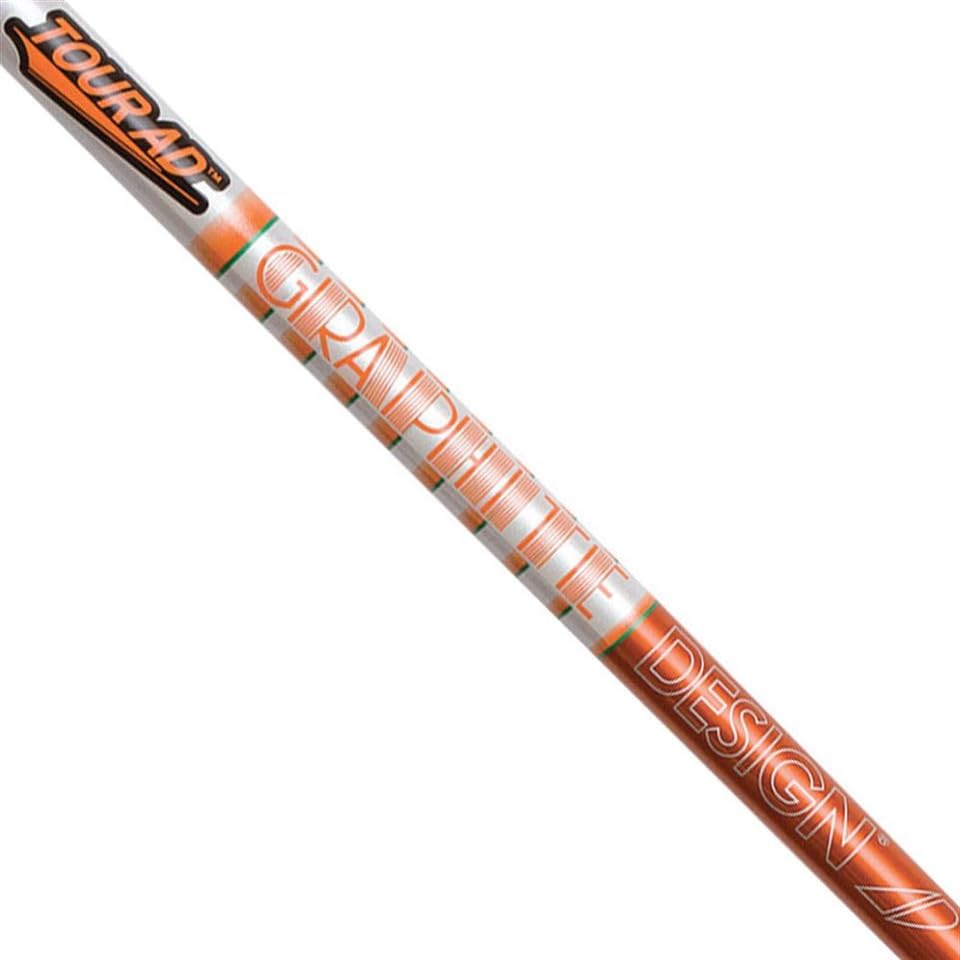
The Tour AD DI has been one of Graphite Design’s best-known profiles for years, and its reputation rests on feel. It has a mid kick point and launches high in the lighter 5 and 6 weights, settling to mid launch in the heaviest, stiffest versions.
Reviewers consistently describe an active, smooth kick that stays stable on mishits rather than feeling loose. It’s still part of Graphite Design’s lineup alongside newer Tour AD models, and its range is the broadest of our picks, from a 54-gram R2 to a 97-gram X.
Who It’s For
Players who want more height without a loose feel, and smooth-tempo golfers who like to feel the shaft load. The wide weight range covers moderate to fast swing speeds.
Look Elsewhere If
You already launch the ball high or play a lot in strong wind, or you want a published spin rating to compare. The Tensei 1K Pro White flies lower.
Specs
| Weights | 54–97 g (DI 5 to DI 9) |
|---|---|
| Flexes | R2, R1, SR, S, X, TX |
| Torque | 2.6–4.7° |
| Launch | High (5 and 6) to mid (heaviest) |
| Spin | Not published |
| Kick point | Mid |
| Released | Long-running model, still current |
Pros
- Smooth, active feel that stays stable
- Higher launch in the lighter weights helps carry
- Very wide weight and flex range
- Long track record
Cons
- Graphite Design doesn’t publish a spin rating
- Its higher flight can be too much for high-launch players or windy courses
- Sold on Amazon by a third-party seller
6. Newton Motion – Best Ready-to-Play Shaft Fitted by Swing Speed

Newton Motion skips flex letters. You choose a “dot” from 1 to 6 based on your driver swing speed, and the shaft arrives ready to play with your chosen adapter and a Golf Pride Tour Velvet grip, cut to play at 45.75 inches. That makes it the simplest way on this list to get a shaft matched to your speed without a fitting.
Newton says its Symmetry 360 design virtually eliminates the shaft’s spine. Buy direct and you have 30 days to return the shaft or swap to a different dot, though custom lengths aren’t returnable. Newton also refreshed the Motion in 2026 with “2.0” versions, marked by green logos, that it says have refined bend profiles and tighter manufacturing tolerances.
Owner feedback is mixed. It tends to suit smooth tempos better than aggressive transitions, which some players say produce hooks, and some Amazon buyers report receiving the wrong dot or an adapter that wasn’t properly glued. Check the dot marking and the adapter before your first swing.
Who It’s For
Golfers who know their swing speed and want a matched, ready-to-play shaft without booking a fitting, especially those with a smooth tempo.
Look Elsewhere If
You have a fast, aggressive transition, want published launch and spin ratings, or need a non-standard length.
Specs
| Flex | 1 dot (under 75 mph), 2 (75–85), 3 (85–95), 4 (95–105), 5 (105–115), 6 (115+) |
|---|---|
| Weights | 53–78 g (1 dot to 6 dots) |
| Torque | 6.0–3.5° |
| Launch / spin | Not published |
| Playing length | 45.75 in. |
| Included | Adapter and Golf Pride Tour Velvet grip |
Pros
- Dot system matches the shaft to your swing speed
- Ships ready to play with adapter and grip
- 30-day return or dot swap when bought direct
- Sold on Amazon by Newton itself
Cons
- Mixed owner feedback, including adapter and wrong-dot complaints
- Better for smooth tempos than aggressive transitions
- Newton doesn’t publish launch or spin ratings
Buying tip: on Amazon, Newton sells the Motion under its former company name, Sacks Parente Golf. Choose your dot, hand and driver brand carefully before you check out.
7. Fujikura Vista Pro – Best Budget Driver Shaft
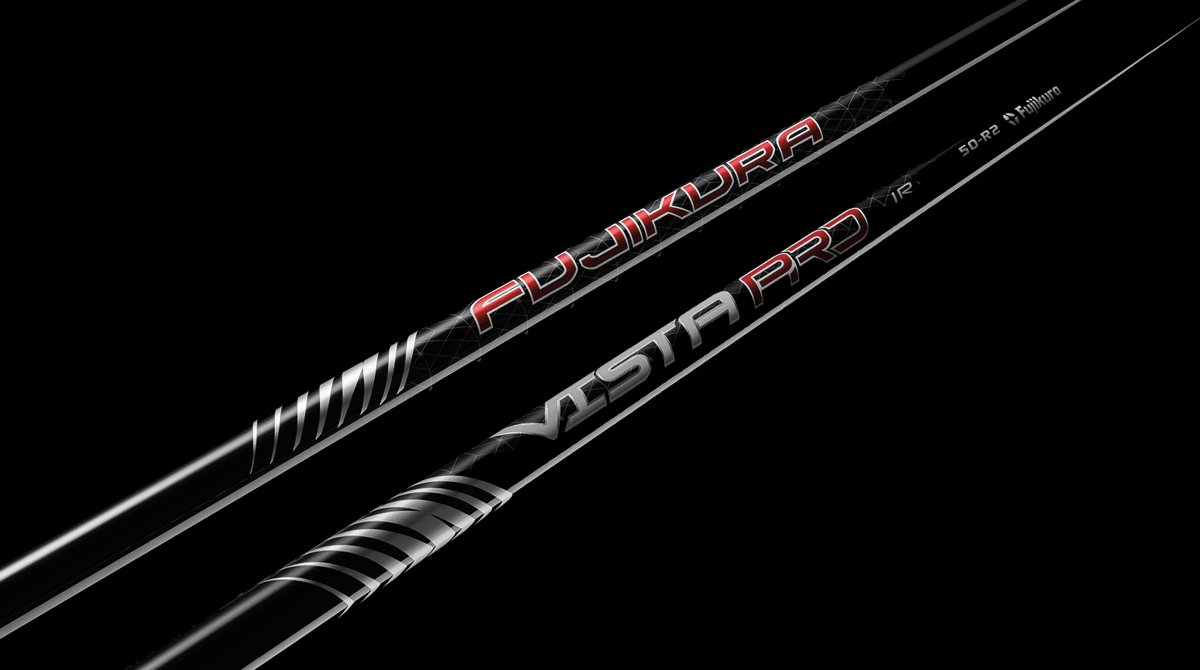
The Vista Pro is the most affordable genuine aftermarket shaft on our list, and it still borrows from Fujikura’s premium line. Fujikura redesigned it for 2021 with a multi-material bias core that draws on its Ventus and VeloCore work, plus 40-ton carbon fiber.
It’s a flighted line. The lighter 45, 55 and 60 models launch high with high spin to help carry, while the 65 and 75 drop to mid launch and mid spin for faster swings. The 45 comes in R3, R2 and R at about 48 grams, a light, inexpensive option for slow swingers.
Who It’s For
Budget buyers, seniors and slower swingers (the 45 and 55), average swing speeds (the 60 and 65), and anyone reviving an older driver.
Look Elsewhere If
You have a fast, aggressive swing and want tour-level stability. The HZRDUS G5 Black or Ventus Blue is the better fit.
Specs
| Models | 45, 55, 60, 65, 75 |
|---|---|
| Weights | 48–75.5 g |
| Flexes | R3, R2, R, S, X |
| Torque | 4.5–6.4° |
| Launch | High (45–60), mid (65, 75) |
| Spin | High (45–60), mid (65, 75) |
| Released | 2021 redesign |
Pros
- Genuine Fujikura aftermarket shaft at a budget price
- Wide range, from a 48-gram R3 to a 75-gram X
- Lighter models launch high to help slower swings carry
- Core design borrowed from the Ventus line
Cons
- Less stable than premium shafts for fast, aggressive swings
- Amazon listings are split by driver brand and sold pre-assembled by a third-party seller
- Amazon versions use an aftermarket adapter rather than your driver maker’s own
Buying tip: our links go to the Vista Pro 45 in R2 (senior) flex, pre-assembled with an adapter and grip to play at 45.75 inches in a TaylorMade or Callaway driver. For a heavier model or another driver brand, use a Fujikura dealer.
How We Chose These Driver Shafts
We chose these driver shafts through in-depth research and our experience evaluating golf equipment. In October 2026, we:
- confirmed that each shaft is a current model in its maker’s lineup, not a discontinued or replaced one;
- checked each shaft’s weights, flexes, torque, launch and spin against published specifications;
- read independent reviews and owner feedback, including the complaints, for every shaft we considered;
- treated tour-usage figures as what they are, claims made by the shaft companies, and attributed them that way;
- checked every listing we link to, to make sure it sells the aftermarket shaft rather than a cheaper “made for” stock version under the same name.
To make our list, a shaft had to be a current aftermarket model with published specs, have a clear role (a swing speed, ball flight or budget it serves better than our other picks), and be sold new by a retailer or by its maker. We also wanted a spread of weights and flight profiles, so every swing speed from under 75 mph to over 115 mph has at least one good option in our swing speed table.
How to Choose a Driver Shaft
Most of the decision comes down to four things: flex, weight, launch and spin profile, and length. Get those right for your swing speed and tempo, then make sure the shaft will fit your driver. For a step-by-step walkthrough, see our guide on how to pick the right shaft for your driver.
Flex: Start With Swing Speed, Then Tempo
Flex describes how much the shaft bends under load. Your driver swing speed is the best starting point (see our swing speed table), but tempo matters too. A quick, aggressive transition loads the shaft harder, so players with that move often need a stiffer flex than their speed alone suggests, while smooth swingers can often play a softer one.
There’s no industry standard for flex, so one brand’s stiff can play like another’s regular or X-stiff. Fitters compare shafts with measurements rather than letters:
- Static flex (deflection): the butt end is clamped and a weight is hung from the tip. The more the shaft bends, the softer it is.
- Frequency (CPM): the butt is clamped and the tip is set vibrating. More cycles per minute means a stiffer shaft. Newton, for example, rates its Motion shafts from 210 CPM for 1 dot to 273 CPM for 6 dots.
- Tip stiffness: how firm the shaft is near the head. A softer tip generally launches the ball higher with more spin, and a firmer tip flies lower.
Shaft Weight
Most aftermarket driver shafts weigh about 45 to 95 grams, and our picks run from 48 to 97 grams. Listed weights are for the uncut shaft. Lighter shafts make it easier to swing faster and launch the ball higher, while heavier shafts feel more stable and can help players with a quick tempo time the downswing. Our swing speed table gives a typical weight range for each speed band.
Don’t simply chase the lightest shaft you can find. If a light shaft feels whippy or your contact gets less consistent, a slightly heavier one usually helps more than it costs in speed.
Launch, Spin and Kick Point
Shaft makers rate each model for launch and spin, usually as low, mid or high, and much of that comes from the bend profile. A shaft with a low bend (kick) point or a softer tip tends to launch higher, while a high kick point and a firm tip keep the flight lower. The Tensei 1K Pro White, for example, has a high kick point and a low-launch, low-spin rating.
Keep your expectations realistic. Driver loft, the clubhead and where you strike the face often change launch and spin more than the shaft does. If you spin the ball too much, check those first; our guide to reducing spin on your driver covers the common fixes.
Torque and Feel
Torque is how much the shaft twists under a set load, measured in degrees. Lower torque generally feels firmer and more stable, and higher torque feels softer and smoother. Within one model, torque usually falls as weight rises: the Ventus Blue goes from 3.9° in its lightest version to 2.8° in its heaviest.
Brands don’t measure torque the same way, so compare it between models from the same maker rather than across brands.
Length and Swing Weight
The Rules of Golf allow a driver of up to 48 inches, but Model Local Rule G-10 lets elite competitions cap driver length at 46 inches, and the PGA Tour has used it since 2022. It doesn’t apply to recreational golf.
A longer shaft can add clubhead speed, but it also makes center-face contact harder, and off-center strikes cost distance. That’s why some golfers hit it farther with a shorter driver. Our guide to the longest driver shafts looks at whether length really adds distance.
Ready-to-play shafts such as the Newton Motion and the pre-assembled Vista Pro listings we link are built to play at 45.75 inches. If your current driver is a different length, have the new shaft cut to match (here’s how to measure driver shaft length). Changing length also changes swing weight, the way the head feels in your hands: longer makes it feel heavier, shorter makes it feel lighter. A club builder can rebalance it with head weights or a different grip.
This video looks at whether a shorter-than-standard driver shaft can improve your strike:
Stock vs. Aftermarket (“Made For”) Shafts
The shaft in an off-the-rack driver is usually a “made for” stock version. It may carry the same name and paint as a premium aftermarket shaft, but it’s built for a broad audience and a production budget. Fujikura, for example, says its stock shafts often use lower-cost materials and looser tolerances, while its aftermarket shafts use higher-grade carbon fiber, stricter quality control and technology such as VeloCore+.
That matters when you shop online, because cheap listings for premium names can be stock shafts or shafts pulled from used drivers. Some Ventus listings on Amazon even say “NON VELOCORE” in their own descriptions. Signs you may be looking at a stock version:
- the price is far below the maker’s list price for the aftermarket model;
- the listing doesn’t name the model version or technology, such as “VeloCore+” on a Ventus;
- it’s described as a “pull,” “take-off” or “OEM” shaft;
- the seller isn’t one of the maker’s authorized dealers.
Buying from an authorized dealer also keeps the maker’s warranty intact.
Adapters: Make Sure It Fits Your Driver
A driver shaft connects to the head through an adapter sleeve, and sleeves are specific to the driver brand and sometimes to the generation. TaylorMade has kept one sleeve design across many models, from the M1 to the Qi4D, while PING changed its sleeve with the G410, so an adapter for a G400 won’t fit newer PING drivers.
Most aftermarket driver shafts have a .335-inch tip that takes standard adapters. You can buy them two ways:
- Pre-assembled (ready to play): the shaft comes with an adapter and grip, cut to a set length. Check that the adapter is listed for your exact driver model, and note that some sellers use an aftermarket adapter rather than the driver maker’s own.
- Uncut (raw): you or a club builder cut the shaft, fit the adapter and grip, and set the length and swing weight. This is the way to go if you want a custom length.
Our guide to the best shafts for the TaylorMade Stealth driver shows how this works for one popular head.
Graphite or Steel?
For a driver, choose graphite. Nearly every modern driver uses a graphite shaft because it’s much lighter than steel, which helps you swing a long club faster. Steel is still common in irons, where control matters more than outright speed. Our graphite vs. steel shafts guide covers the trade-offs.
Is a New Driver Shaft Worth It?
Often, yes, if you already like your driver head but your ball flight, timing or contact isn’t right. The right shaft is a much cheaper fix than a new driver, and it’s a good way to revive an older club. It’s less likely to help if the real problem is your swing or your setup.
What a Shaft Can (and Can’t) Change
A shaft that suits your speed and tempo mostly pays off in consistency: more centered strikes, a more repeatable ball flight and tighter dispersion. Distance gains usually come from those better strikes and from launch and spin that suit you, not from the shaft adding big chunks of swing speed.
No shaft will cure a slice. A slice comes from the clubface being open to your swing path at impact, and that’s a swing problem. The wrong shaft can make it worse, though; one that’s too stiff or too heavy for you can make the face harder to square. If you slice and launch the ball low, a lighter, higher-launching shaft such as the Ventus White or Fujikura’s mid-high-launch Ventus Red may help, but pair it with lessons. Loft is a bigger lever for launch than the shaft, so check our driver loft guide too.
Get Fitted or Buy Online?
A fitting is the most reliable way to choose, especially before you spend on a premium shaft. On a launch monitor, you can hit several shafts in your own driver head and compare launch, spin and dispersion side by side. Here’s what to expect from a PGA TOUR Superstore club fitting.
If you’d rather buy online, use our swing speed table to narrow the field to two or three shafts that suit your speed, then choose based on how you want the ball to fly. Measure your swing speed first rather than guessing. A shaft sold with an exchange policy, such as the Newton Motion‘s 30-day dot swap when you buy direct, takes some of the risk out of getting it wrong.
What Reshafting Involves
If your driver has an adjustable hosel, swapping shafts is easy: unscrew the old shaft with the driver’s wrench and screw in a new shaft fitted with the right adapter. A pre-assembled shaft arrives ready to do exactly that. Before your first swing, check that the adapter is firmly glued and the grip is aligned.
A raw, uncut shaft needs more work. The adapter has to be glued onto the tip, the shaft cut to your length, a grip installed and the swing weight checked. Older drivers without an adjustable hosel also need the old shaft removed from the head first, usually with heat. A club builder can do all of this quickly, or you can follow our step-by-step guide to reshafting a golf club. For what the work typically costs, see our driver shaft replacement cost guide.
Why You Should Trust Us
Golfspan is independent and not pressured by manufacturers to recommend products. We were not paid for the reviews in this article. Our team has over 100 years of golf experience, has spent thousands of hours reviewing golf equipment, and has hand-picked these driver shafts. We may earn an affiliate commission when you purchase something through our retail links.
Driver Shaft FAQs
What is the best driver shaft?
For most golfers, we recommend the Fujikura Ventus Blue VeloCore+. Its mid-launch, low-spin profile suits a wide range of swings, and it comes in weights from 58 to 94 grams and flexes from R2 to TX. The best shaft for you, though, is the one that matches your swing speed and tempo: slower swingers should start with the Ventus White, fast swingers who hit it too high with the HZRDUS G5 Black, and budget buyers with the Vista Pro. If you’re shopping for a whole new club instead, see our guide to the best drivers.
What flex driver shaft do I need?
Start with your driver swing speed. As a rough guide, under 85 mph suits a senior (A or R2) flex, with ladies (L) flex below about 72 mph; 85–95 mph suits regular; 95–105 mph suits stiff; and 105 mph and up suits X-stiff. Then adjust for tempo: a quick, aggressive transition often needs one step stiffer, and a smooth swing can often play one step softer. Flex isn’t standardized between brands, so treat this as a starting point. If you’re between two flexes, our stiff vs. regular flex guide can help.
What driver shaft is best for a 95 mph swing speed?
At 95 mph, you’re on the line between regular and stiff, so your tempo decides. Look for a shaft of around 55 to 65 grams with a mid launch. Good options from our list are the Ventus Blue 5 or 6 in R or S, the Tour AD DI in R or S, the Tensei 1K Pro White 50 or 60 in S if you need less spin (Mitsubishi’s fit guide puts its stiff flex at 91–105 mph), and the Newton Motion in 3 or 4 dots. Our swing speed table has more detail.
What is the best driver shaft for a slow swing speed?
For swing speeds under about 85 mph, we recommend the Fujikura Ventus White VeloCore+, a 49.5-gram shaft rated for high launch and mid-high spin in R2, R and S flexes. On a budget, the Vista Pro 45 (about 48 grams, R3 to R) also launches high, and the Newton Motion comes in 1-dot and 2-dot versions for swings under 75 mph and 75–85 mph. Avoid heavy, low-launch shafts, which make it harder to get the ball in the air.
Can you hit 300 yards with a regular flex shaft?
It’s possible, because flex doesn’t set your distance; clubhead speed, launch, spin and strike do. But driving the ball 300 yards takes a very fast swing, and most players who swing that fast need a stiffer shaft to keep the clubhead stable and their timing consistent. Newton’s flex guide, for example, pairs swings of 115 mph and up with drives of 275 yards or more, and fits them with its stiffest shafts. If you already hit it that far with a regular flex and your shots stay on line, there’s no need to change.
What happens if your driver shaft is too stiff?
A shaft that’s too stiff for your swing usually launches the ball lower, can cost you carry distance and often leaves the face open at impact, so shots tend to miss right for a right-handed golfer. It can also feel harsh or “boardy.” A shaft that’s too soft tends to do the opposite: a higher flight, more spin and misses to the left. Our guide to signs your shaft is too stiff or too soft goes into more detail.
Will a different shaft fix my slice?
Not on its own. A slice comes from the clubface being open to your swing path at impact, which is a swing issue. A shaft that’s too stiff or too heavy can make it worse, and a lighter, higher-launching shaft can make the face easier to square and the ball easier to launch, but lessons are the real fix. See what a shaft can and can’t change.
Is a 50-gram shaft too light for a driver?
Not for many golfers. Shafts around 50 grams suit slower and moderate swing speeds, and several of our picks come in that range, including the 49.5-gram Ventus White and the 50-gram class of the Tensei 1K Pro White. Fast swingers with an aggressive transition usually do better at 60 to 80 grams, where the extra weight helps timing and stability. If a light shaft makes your contact or direction less consistent, try a heavier one.
What is the most popular driver shaft on tour?
Fujikura says it has been the No. 1 driver shaft brand on the PGA Tour for five straight years, and that its Ventus Black was in the drivers of all four 2025 men’s major champions. Tour players’ shafts are fitted to very fast swings, though, so a popular tour shaft isn’t necessarily right for you. Your own swing speed and tempo matter far more.
Final Thoughts
Match the flex and weight to your swing speed and tempo first, then choose the launch and spin profile you need.
For most golfers, the Fujikura Ventus Blue VeloCore+ is the place to start. Seniors and slower swingers should look at the lighter, higher-launching Ventus White, fast swingers who hit it too high at the Project X HZRDUS G5 Black, and anyone fighting too much spin at the Tensei 1K Pro White. For a smooth feel and a higher flight, try the Tour AD DI; to skip a fitting, the Newton Motion; and on a budget, the Fujikura Vista Pro.
Whichever you choose, buy the genuine aftermarket version from a reputable seller, and if you can, hit two or three options on a launch monitor before you commit.
Related Articles
- How To Pick the Right Shaft for Your Driver
- How to Tell if Your Shaft Is Too Stiff or Too Soft
- Graphite vs. Steel Shafts: Which Is Better and Why?

Clint is PGA-certified and was a Head Teaching Professional at one of Toronto's busiest golf academies. He was also featured on Canada's National Golf TV program, "Score Golf Canada," twice. He graduated with a degree in Golf Management from the College of the Desert in California and studied under Callaway's co-founder, Tony Manzoni. He has a handicap index of 6.2 and spends the winters near Oaxaca, Mexico, where he plays twice a month at the Club de Golf Vista Hermosa. He's written over 100 articles at GolfSpan since 2021. You can connect with Clint at LinkedIn, FB, his website, or Clintcpga@gmail.com.