Japanese golf clubs have a reputation few countries can match. Japan has about 2,000 golf courses, and that big home market supports everything from global brands to small forging workshops. Mizuno forges its Pro irons in Hiroshima, Miura hand-finishes its heads in Himeji and Honma assembles its clubs in Sakata.
But a Japanese brand isn’t always the same as “made in Japan.” Some Japanese brands build their clubs in other countries. JDM (Japanese domestic market) models can also differ from the versions sold in the US, with lighter builds and Japan-only shafts. That’s why we show where each brand makes its clubs.
Below are the nine Japanese golf club brands most worth your money, along with the best current clubs from each. They range from Mizuno, Srixon, XXIO and Honma, which all sell clubs on Amazon, to forging specialists like Miura, Fourteen, Bridgestone and Epon, which sell through their own stores, dealers and fitters. If you just want the short version, start with the at-a-glance table.
GolfSpan may earn a commission when you buy through links on this page.
The Best Japanese Golf Clubs by Brand
- Mizuno – Best Overall Japanese Golf Club Brand
- JPX925 Hot Metal Irons
- Mizuno Pro M-15 Irons (better-player pick)
- Srixon – Best Japanese Golf Clubs for Beginners
- ZXiR Irons
- ZXi RKT MAX Driver
- ZXi5 Irons (2027, forged in Japan)
- XXIO – Best Japanese Golf Clubs for Women and Seniors
- Honma – Best Premium Japanese Golf Club Brand
- TW777 Max Driver
- BERES 10 Driver (luxury pick)
- Miura – Best Japanese Golf Irons
- Fourteen – Best Japanese Wedges
- Bridgestone – Best Japanese Irons for Better Players
- Epon – Best Boutique Forged Irons
- Mizuno M.Craft and Seven – Best Japanese Putters
- Mizuno M.Craft Osaka
- Seven Arrow (boutique pick)
Japanese Golf Club Brands at a Glance
Here’s our top pick from each Japanese golf brand, where it’s made and where to buy it in the US. Where a brand doesn’t say which factory makes a club, we say so.
| Image | Brand & Pick | Details | Buy |
|---|---|---|---|
Best Overall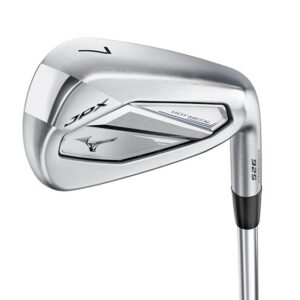 | MizunoJPX925 Hot Metal Irons | Fast, forgiving irons from a brand whose lineup runs from game-improvement irons to tour blades.Made: Pro irons forged in Hiroshima, Japan; Hot Metal origin not stated | Hot Metal on AmazonPro M-15 on Amazon |
Best for Beginners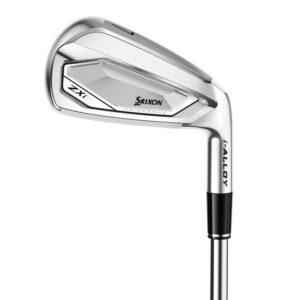 | SrixonZXiR Irons | MyGolfSpy’s most forgiving game-improvement iron of 2026.Made: ZXi irons forged by Endo in Japan; ZXiR origin not stated | ZXiR on AmazonZXi5 on Amazon |
Best for Women & Seniors
| XXIOXXIO 14 Irons | Ultralight irons built to add speed and launch for slower swings.Made: Japanese-owned (Sumitomo Rubber, Kobe); factory not stated | Irons on AmazonLadies Driver on Amazon |
Best Premium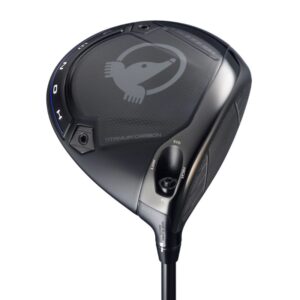 | HonmaTW777 Max Driver | A 2026 Golf Digest Hot List Silver driver. The BERES 10 is Honma’s luxury line.Made: Assembled in Sakata, Japan; heads reportedly made in China | TW777 on AmazonBERES at Honma |
Best Irons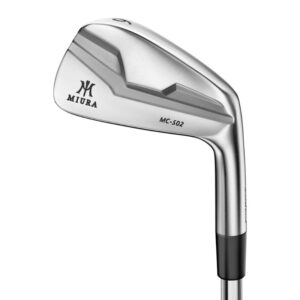 | MiuraMC-502 Irons | Forged cavity backs Justin Rose used to win the 2026 Farmers Insurance Open.Made: Forged in Himeji, Japan | Buy at Miura |
Best Wedges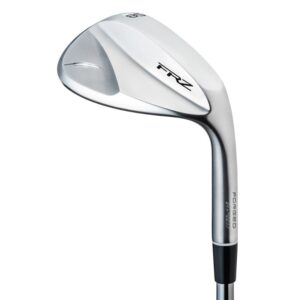 | FourteenFRZ Wedge | A spin-focused forged wedge that placed third in MyGolfSpy’s 2025 wedge test.Made: FRZ made in Japan, according to Fourteen | Buy at Fourteen |
Best for Better Players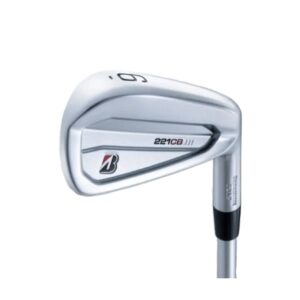 | Bridgestone221 CB Irons | Classic forged cavity backs for consistent ball strikers.Made: Forged in Japan | Find a Dealer |
Best Boutique Forged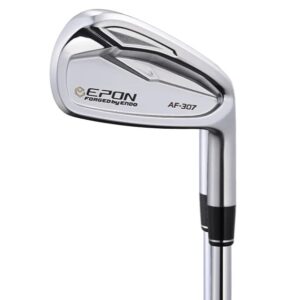 | EponAF-307 Irons | Feel-first forged irons sold through fitters.Made: Made by Endo, whose golf manufacturing is based in Thailand, per Nippon.com | Find a Dealer |
Best Putter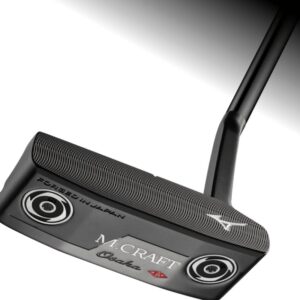 | MizunoM.Craft Osaka Putter | MyGolfSpy’s best overall blade putter of 2026.Made: Forged in Japan | Osaka on Amazon |
The Best Japanese Golf Club Brands
1. Mizuno – Best Overall Japanese Golf Club Brand

Pros
- Grain Flow Forged irons made in Hiroshima, with a soft, solid feel
- A full iron lineup, from forgiving game-improvement sets to blades
- Makes every club in the bag, including Japan-forged putters
- Easy to buy in the US, including on Amazon
Cons
- Mizuno doesn’t say where the JPX925 Hot Metal is made
- Some JPX irons, such as the JPX925 Forged, use strong lofts that can leave gapping issues at the bottom of the set
- The JPX925 Hot Metal has a firmer feel than Mizuno’s forged irons
Is Mizuno a Japanese brand? Yes. Mizuno was founded in Osaka in 1906, is still headquartered there and made its first golf club in 1933. Mizuno Pro irons are made with the company’s Grain Flow Forged HD process in Hiroshima, Japan, and that forging is a big part of why Mizuno has such a loyal following among better players.
But Mizuno isn’t only for low handicappers. Its iron range runs from the forgiving JPX925 Hot Metal family to Mizuno Pro players’ irons and blades, and the brand makes everything from drivers to putters. That breadth, plus easy availability in the US, is why it’s our pick for the best overall Japanese golf club brand. For a deeper look at the range, see our guides to the best Mizuno irons and Mizuno irons by year.
Best Mizuno Golf Clubs
JPX925 Hot Metal Irons
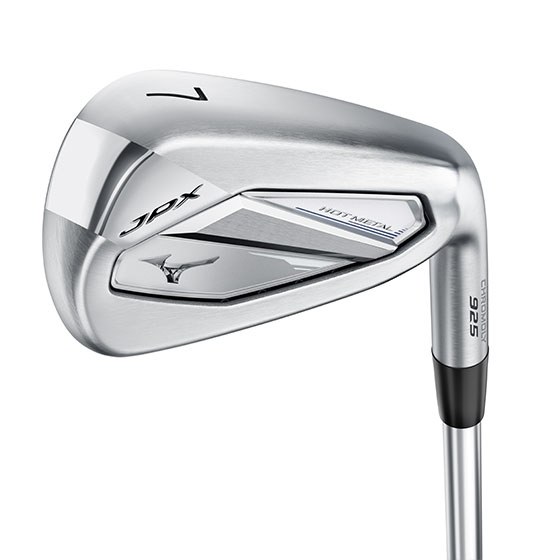
The JPX925 Hot Metal is our top Mizuno pick for most golfers, especially mid-to-high handicappers who want distance and forgiveness. It isn’t Grain Flow Forged. Mizuno builds it as a multi-material iron with a high-strength nickel chromoly face and tungsten weighting, designed for ball speed and stability on off-center hits.
The results back that up. The Hot Metal finished second of 17 game-improvement irons in MyGolfSpy’s 2025 testing and won Gold in the game-improvement category of the 2026 Golf Digest Hot List. The trade-off is feel: Plugged In Golf described it as firm and clicky. Mizuno also makes a more compact Hot Metal Pro and a higher-launching Hot Metal HL.
Mizuno Pro M-15 Irons (Better-Player Pick)

If you’re a consistent ball striker who wants forged feel with more speed, the Mizuno Pro M-15 is our better-player pick. Mizuno released it in February 2026 to replace the Pro 245, and it’s a hollow players’ distance iron. In the long and mid irons, a Grain Flow Forged 4135+ Chromoly face and neck is paired with a stainless steel back piece for more rebound. From the 9-iron to the gap wedge, it switches to a partial-hollow Grain Flow Forged 1025E body, according to Mizuno.
It also tests well. In MyGolfSpy’s 2026 players’ distance iron test, the M-15 finished second of 10 irons and was named runner-up for both overall performance and distance. If you’d rather spend less on a forged Mizuno, the JPX925 Forged is still in the lineup and earned Silver in the players-distance category of the 2026 Golf Digest Hot List.
Read more: Golf Clubs Made in the USA
2. Srixon – Best Japanese Golf Clubs for Beginners
Pros
- Some of the most forgiving, best-tested game-improvement irons available
- A full range, from beginner-friendly irons to forged irons played on tour
- Its second-generation ZXi irons are forged by Endo Manufacturing in Japan
- Widely available in the US, including on Amazon
Cons
- No Srixon-branded specialty wedges; those come from sister brand Cleveland Golf
- The beginner-friendly ZXiR is cast, not forged
- Golf Monthly found the new ZXi RKT MAX driver a modest step up from the previous ZXi MAX
Is Srixon a Japanese brand? Yes. Srixon is owned by Kobe-based Sumitomo Rubber Industries, which also owns XXIO and Cleveland Golf. Most golfers know Srixon for its golf balls, but its clubs deserve just as much attention, and they’re played on tour by Hideki Matsuyama and Shane Lowry.
That tour pedigree doesn’t make Srixon a better-players-only brand. Its iron lineup runs from the high-launching ZXiR HL to the forged ZXi7, and its second-generation ZXi irons (ZXi7, ZXi5, ZXi5+ and ZXiU) are forged by Endo Manufacturing in Japan, according to Srixon. For beginners and high handicappers, though, the pick is the cast ZXiR, which is why Srixon is our best Japanese golf club brand for beginners. If you want an iron that’s forged in Japan, step up to the ZXi5. One thing to know: Srixon iron sets offer a matching gap wedge, but for sand and lob wedges you’ll be shopping from Cleveland. For more options, see our guide to the best Srixon irons.
Best Srixon Golf Clubs
ZXiR Irons
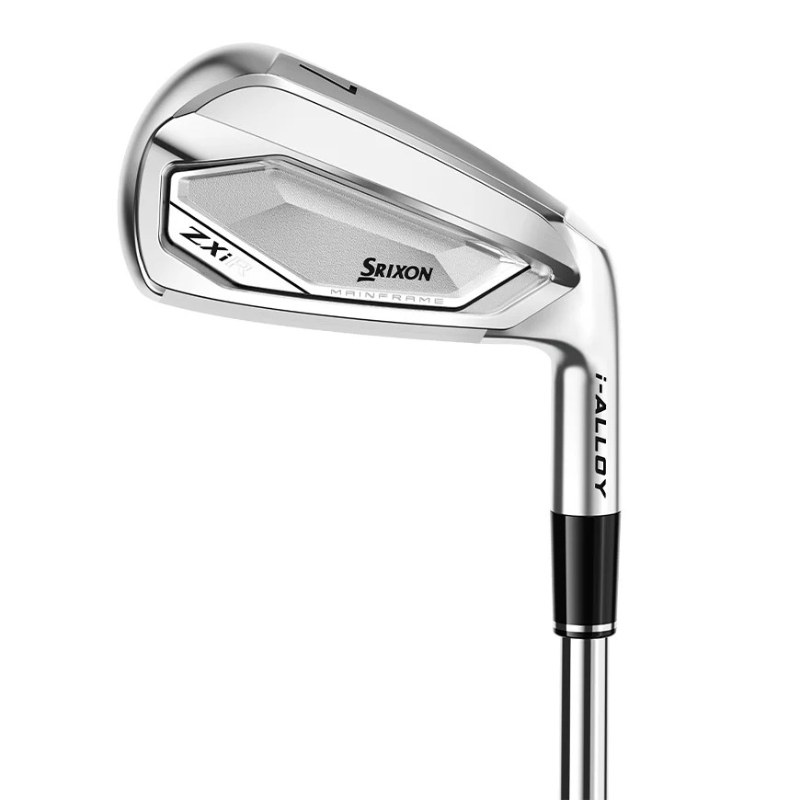
The ZXiR is Srixon’s game-improvement iron and our pick for beginners and high handicappers. It’s cast from what Srixon calls i-Alloy, a steel the company says is 10 percent softer than standard 431 stainless, aiming for a softer feel than most cast irons. Compared with Srixon’s ZXi4, it has a wider sole and a larger face, and the 7-iron has 28.5° of loft.
It has some of the strongest test results in its class. The ZXiR finished fourth of 13 irons in MyGolfSpy’s 2026 game-improvement test and earned the top forgiveness score of any iron tested. It also won Gold in the game-improvement category of the 2026 Golf Digest Hot List, where the editors called it more forgiving than Srixon’s ZXi4. Plugged In Golf praised its playable distance and forgiveness but found the sound on the loud side.
If you have a slower swing, look at the ZXiR HL instead. It uses weaker lofts (a 32.5° 7-iron) for a higher flight, and Plugged In Golf recommends it for golfers with driver speeds under about 80 mph. A women’s version is also available.
ZXi RKT MAX Driver
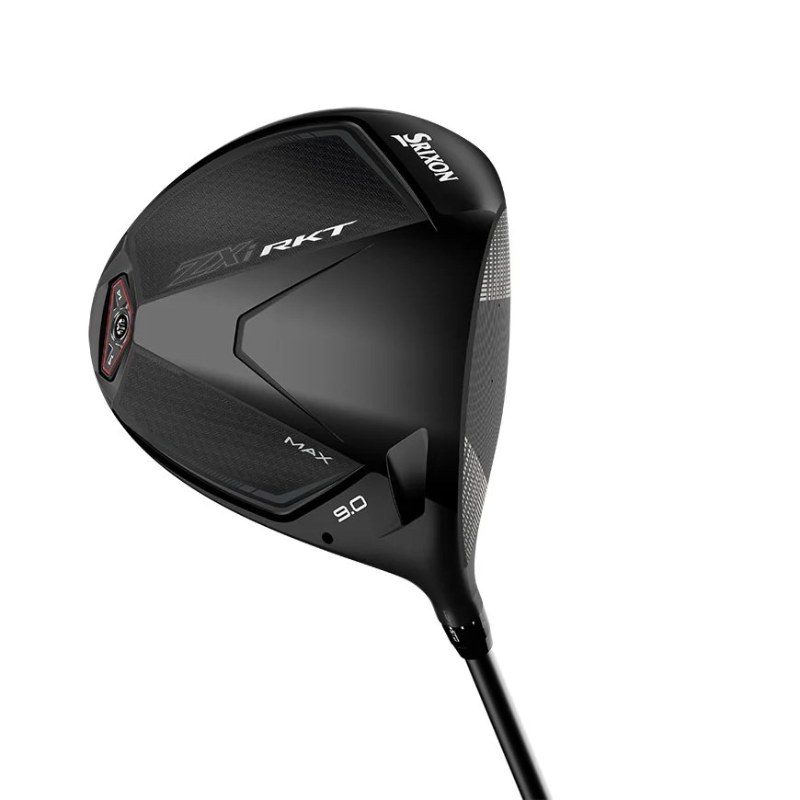
The ZXi RKT MAX is the most forgiving driver in Srixon’s new RKT family, which reached stores in October 2026. Srixon rates it highest for forgiveness and aims it at low-to-mid swing speeds. It has a 460cc head with a titanium face and carbon crown, a single rear weight, and lofts of 9°, 10.5° and 12°, in right- and left-handed models.
Plugged In Golf found it very consistent at keeping the ball in play and called it one that “needs to be on your demo list,” though it noted a draw bias, high spin and a loud sound. Golf Monthly praised its stability but saw few real gains over the previous model. That makes the outgoing ZXi MAX worth a look while stock lasts: it won Gold on the 2026 Golf Digest Hot List and was the most accurate driver in MyGolfSpy’s 2026 slow swing speed test.
ZXi5 Irons (Made-in-Japan Upgrade)

If you want an iron that’s forged in Japan, the ZXi5 is the Srixon to buy. It’s part of the second-generation ZXi family that reached stores in October 2026, and Srixon says every new ZXi face and body is forged at Endo in Japan. The ZXi5 is a players’ iron that blends distance and forgiveness, with a wider sole than the ZXi7 and a moderate blade length and offset, according to Srixon.
A forged S20C steel body is paired with a tungsten weight in the toe of the long and mid irons, which Srixon says keeps speed and spin more consistent on off-center strikes. The back of the face also has a variable-thickness pattern milled into it, which Srixon calls MainFrame iQ. The new ZXi5 is too recent for independent test results, so if you want to save money, the first-generation ZXi5 is still available while stock lasts.
3. XXIO – Best Japanese Golf Clubs for Women and Seniors
Pros
- Some of the lightest premium clubs you can buy, built for slower swing speeds
- A dedicated Ladies line with its own lofts, shafts and weights
- High-launching, forgiving designs across woods, hybrids and irons
- XXIO sells directly on Amazon
Cons
- The Ladies driver isn’t adjustable, and Ladies models are right-handed only
- The very light builds can be hard to control for faster, more aggressive swings
XXIO launched in 2000 with a clear focus: helping golfers with moderate swing speeds hit the ball farther by making clubs dramatically lighter. It worked in its home market. As of 2020, Golf Business News reported that XXIO had been Japan’s best-selling club range every year since its launch. Like Srixon, XXIO is owned by Sumitomo Rubber Industries.
The weight savings are real. The current XXIO 14 driver weighs 283 grams assembled, about 42 grams lighter than Srixon’s first-generation ZXi drivers, according to Golf Digest. That makes XXIO our pick for women, seniors and anyone who has lost clubhead speed. Whichever model you choose, it’s worth getting fitted before you buy.
Best XXIO Golf Clubs
XXIO 14 Irons

The XXIO 14 irons are XXIO’s lightweight, premium set for golfers with moderate swing speeds. A 7-iron has 28° of loft and weighs 368 grams with XXIO’s MP1400 graphite shaft. A VR-Titanium face, tungsten weighting and a Rebound Frame with a lower L-groove are all aimed at higher launch and more ball speed, according to XXIO. The set runs from 5-iron to sand wedge, with left-handed models from 6-iron to pitching wedge.
In National Club Golfer’s review, the tester got about 3 to 4 mph more ball speed, 6 to 8 yards more carry and up to 8 to 10 feet more peak height on good strikes than with his own steel-shafted irons. That’s one golfer’s comparison rather than a controlled test, but it’s exactly what these irons are built to do for golfers whose swing speeds are declining.
XXIO 14 Driver
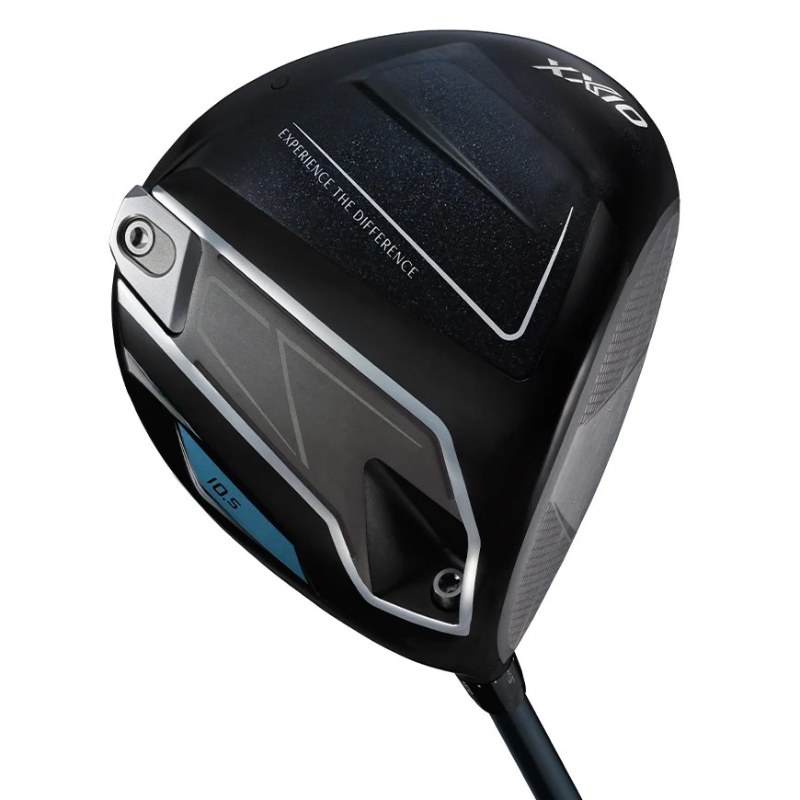
The men’s XXIO 14 driver is aimed at seniors and golfers with moderate swing speeds. It comes in 9.5°, 10.5° and 11.5° lofts and has an adjustable hosel with a 1.5° loft sleeve, a first for XXIO’s standard driver line.
Reviewers consistently found it easy to launch. National Club Golfer described it as high-launching, very light and forgiving, and Plugged In Golf got a consistent high draw from it, but warned that it can hook if you swing hard. Both reviews, along with GolfMagic’s, flagged the price. If you swing between about 90 and 100 mph, ask a fitter about the XXIO 14+, a slightly heavier version sold through fitting studios.
XXIO 14 Ladies Driver
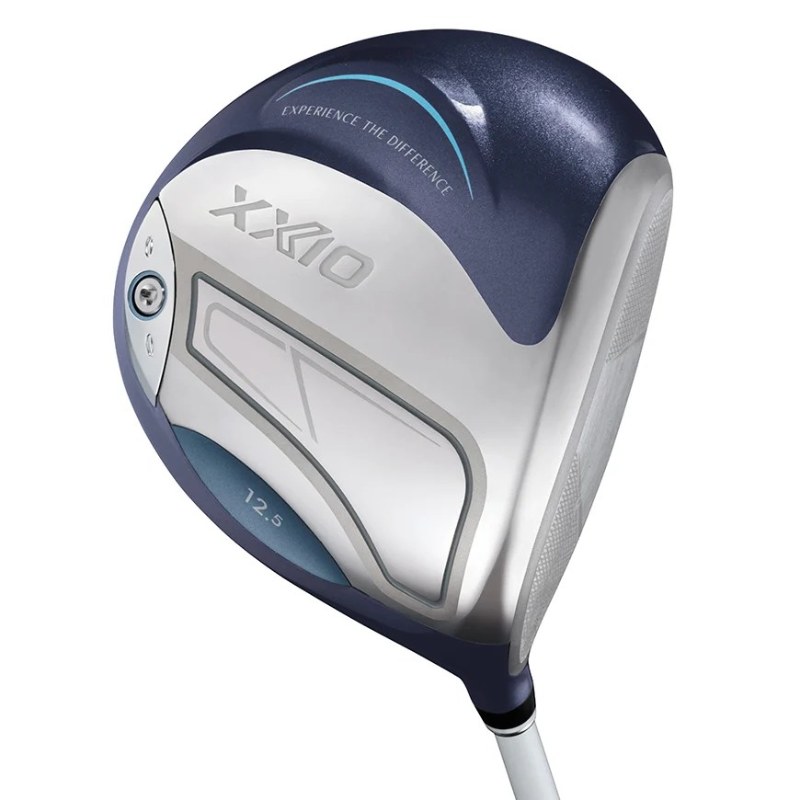
The XXIO 14 Ladies driver is one of the lightest premium drivers available. It weighs between 259 and 264 grams assembled, depending on loft, and uses XXIO’s MP-1400L shaft at about 35 grams in Ladies flex. It comes in four lofts (10.5°, 11.5°, 12.5° and 13.5°) with a 460cc head, and it went on sale in the US in December 2025.
Two things to know before buying. First, unlike the men’s XXIO 14, the Ladies driver has a fixed hosel, so choose your loft carefully; MyGolfSpy confirms it isn’t adjustable. Second, we couldn’t find an independent written review of the Ladies model itself. Its case rests on the same lightweight technology that reviewers praised in the men’s XXIO 14 driver above, and on XXIO’s long track record with slower-swinging golfers.
4. Honma – Best Premium Japanese Golf Club Brand
Pros
- Clubs sold in the US are custom assembled at Honma’s factory in Sakata, Japan
- Two distinct lines: the performance-focused T//World and the luxury BERES
- Strong recent test results, including a 2026 Golf Digest Hot List Silver for the TW777 Max
- The TW777 Max is sold by Honma on Amazon
Cons
- Few places to try Honma clubs in the US before buying
- Custom builds take four to six weeks to arrive
- The TW777 drivers are right-handed only
Founded in 1959, Honma is one of Japan’s best-known luxury golf brands. It is headquartered in Tokyo, and the clubs it sells in the US are custom assembled at its factory in Sakata, in Yamagata Prefecture. However, MyGolfSpy reported in 2021 that Honma’s clubheads are made in China, with design, grinding and finishing done in Sakata. Honma doesn’t publish where the heads for each current model are made, and that report predates the TW777 and BERES 10. Honma is most famous for its BERES line, with gold-accented heads and a star-grade system in which higher grades get more premium shafts and finishes.
What many golfers don’t realize is that Honma also makes mainstream performance clubs. Its T//World (TW) line competes directly with drivers from the big American brands, and MyGolfSpy calls Honma a “sneaky-good performer” in its testing. That combination of Japanese build quality with real performance, from the mainstream TW777 up to hand-finished BERES models, is why Honma is our pick for the best premium Japanese golf club brand.
Best Honma Golf Clubs
TW777 Max Driver
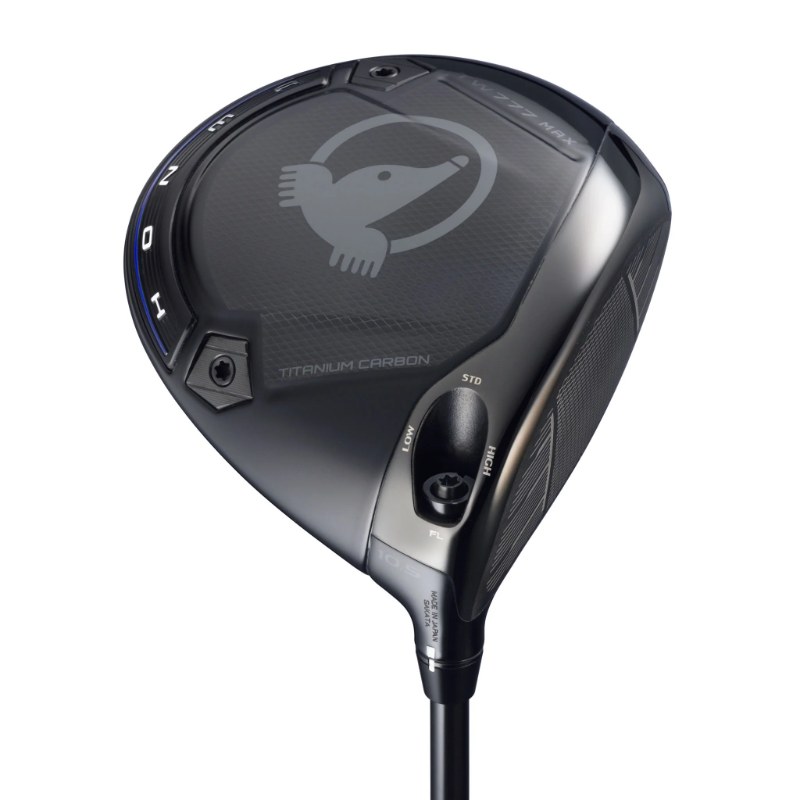
The TW777 Max is the Honma driver we’d recommend to most golfers. Announced in December 2025, it combines a carbon body over a titanium frame with a forged cup face, and its heel and toe weights let you fine-tune the ball flight. It comes in 9°, 10.5° and 12° lofts with a 460cc head, and it’s custom assembled in Sakata, Japan.
It earned Silver on the 2026 Golf Digest Hot List, where testers praised its “sky-high ball flight” and its forgiveness on off-center hits. The same testers noted a clear draw bias, which suits golfers fighting a slice but not those who already miss left, and a few didn’t like the sound. It suits mid-handicappers who want a forgiving, high-launching driver with Japanese build quality. If you want matching irons, Honma also sells the TW777 PCB MAX irons, which pair a forged S25C body with a cup face, on Amazon.
BERES 10 Driver (Luxury Pick)
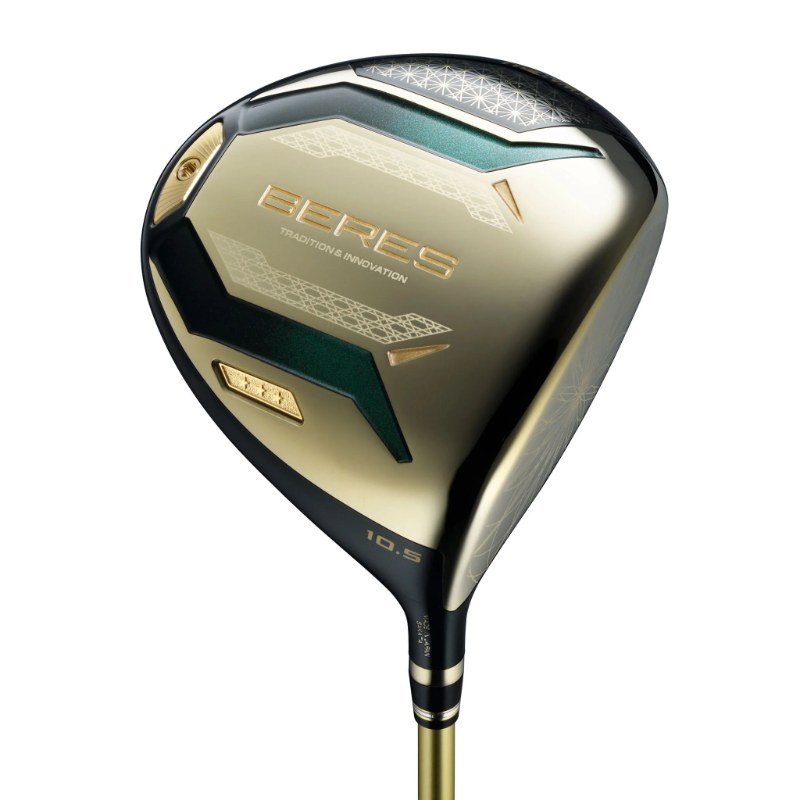
If you want the full Honma experience, the BERES 10 is the brand’s current luxury line, launched in February 2026. The driver has a titanium body with a forged cup face, comes in 9.5°, 10.5° and 11.5° lofts, and is built to order in Sakata with Honma’s own ARMRQ shafts. It’s offered in 3-Star, 4-Star and 5-Star grades; the higher grades add more premium shafts and more elaborate gold finishes.
We couldn’t find an independent review of the BERES 10, so we can’t point to test results. Its appeal is craftsmanship and exclusivity rather than measurable performance gains, and it makes most sense for golfers who value a hand-built Japanese club as much as the numbers on a launch monitor.
Read more: 20 Most Expensive Golf Clubs
5. Miura – Best Japanese Golf Irons
Pros
- Forged one head at a time from S20C soft carbon steel in Himeji, Japan
- Every set is built to order with your choice of shaft, grip, loft and lie
- An iron lineup that runs from pure blades to forgiving players’ cavity backs
- The MC-502 was Golf Monthly’s favorite in its October 2026 test of every Miura iron
Cons
- Not sold on Amazon; you buy from Miura or an authorized dealer
- Custom builds take three to five weeks
- The MC-502 and Forged Wedge Series are listed as right-handed only on Miura’s US site
- Most praise centers on feel rather than measurable performance gains
Katsuhiro Miura was born in Himeji in 1942 and began making golf clubs at 16. He founded his own company there in 1977, and his forging work earned him the nickname “Hands of God.” He died in May 2025 at 82. According to Miura’s statement on his passing, his sons Shinei and Yoshitaka now oversee the design and forging of every club, which is still made at the family’s factory in Himeji.
Miura’s reputation rests on feel. The company says its forging process produces a fine, uniform grain in the steel and holds each head to within half a gram of its target weight. Most of the praise from reviewers and owners is about that feel and craftsmanship rather than launch-monitor numbers, so Miura is for golfers who value how a forged iron feels and looks as much as raw distance. That focus is why Miura is our pick for the best Japanese golf irons. For more options, see our guides to the best forged irons and blades vs. cavity back irons.
Best Miura Golf Clubs
MC-502 Irons
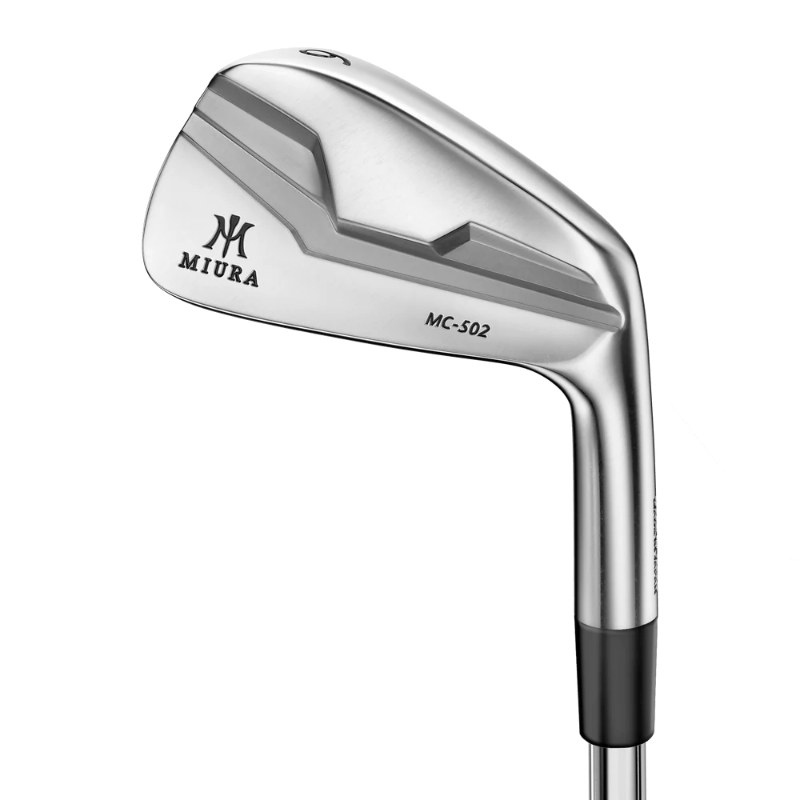
The MC-502 is a muscle-back cavity: it has a blade’s compact profile, but channels on the back move weight toward the sole, which Miura says allows more bounce and camber for smoother turf interaction. Compared with the MC-501 it replaced, it has less offset and a softer, rounder topline and toe. It’s forged from S20C soft carbon steel, comes in 3-iron to pitching wedge, and has a 33° 7-iron.
Joe Ferguson of Golf Monthly tested all seven current Miura irons in October 2026 and called the MC-502 his favorite of the range “from a profile position.” He also found it “noticeably smoother through the turf” than any other model he tested, and easy to flight higher or lower on command. If you want more help on mishits, he found the TC-202 cavity back “demonstrably more forgiving off-center” than Miura’s blades, though its lower bounce suits golfers who pick the ball cleanly rather than take deep divots.
The MC-502 has also proven itself on the PGA Tour. Justin Rose won the 2026 Farmers Insurance Open with Miura MC-502 irons from 7-iron to pitching wedge and TC-202 irons from 4-iron to 6-iron, according to Golf Monthly.
Forged Wedge Series (Y Grind)
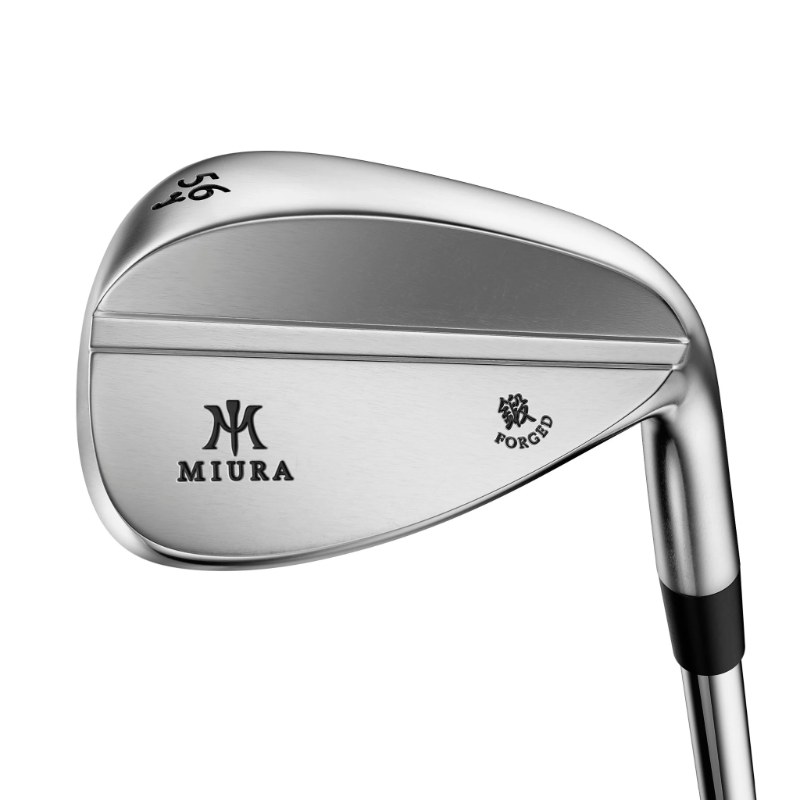
Miura’s current wedge line is the Forged Wedge Series, launched in June 2024 and forged from the same S20C soft carbon steel in Himeji. The Y Grind, named after Yoshitaka Miura, has a softened leading edge and is designed for golfers with a neutral to steep swing around the greens. It comes in 2° steps from 46° to 60°, with 10° to 14° of bounce. A second option, the C Grind, comes in 54° to 60° and is designed to pair with the Y Grind, so you can mix grinds for different turf conditions. A raw finish is also available.
We couldn’t find an independent review of the Forged Wedge Series, so we recommend it on Miura’s specs and forging reputation rather than test results. It’s the natural choice if you play Miura irons. If you want a Japanese wedge with published test results, see our Fourteen pick below.
6. Fourteen – Best Japanese Wedges
Pros
- Forged from S20C soft carbon steel, and Fourteen lists the FRZ as made in Japan
- Finished third overall in MyGolfSpy’s 2025 wedge test, with excellent wet-weather spin
- Lofts from 46° to 60°, with several sole grinds in the sand and lob wedge lofts
- Reviewers at National Club Golfer and Golf Monthly praised its soft feel and very high spin
Cons
- Harder to find in US stores than the major brands; you buy from Fourteen’s US site or specialty retailers
- Not available on Amazon
- Golf Monthly’s reviewer warned the grooves could wear faster than competitors’
Fourteen is a smaller name in the US, but it has deep roots in Japanese club design. Takamitsu Takebayashi founded it in 1981 as a design firm working for bigger brands, and it designed the Yamaha irons Scott Simpson used to win the 1987 U.S. Open before launching as its own brand in 2002, according to MyGolfSpy. Today it is part of Globeride, the Japanese company formerly known as Daiwa Seiko.
Wedges are Fourteen’s specialty, and its current FRZ wedge has independent test data to back up its reputation. That’s why Fourteen is our pick for the best Japanese wedges. Not every Fourteen club is made in Japan, so check the origin of any other model you’re considering. If you’re unsure which grind suits you, our guide to wedge bounce explains the basics.
Best Fourteen Golf Clubs
FRZ Wedge
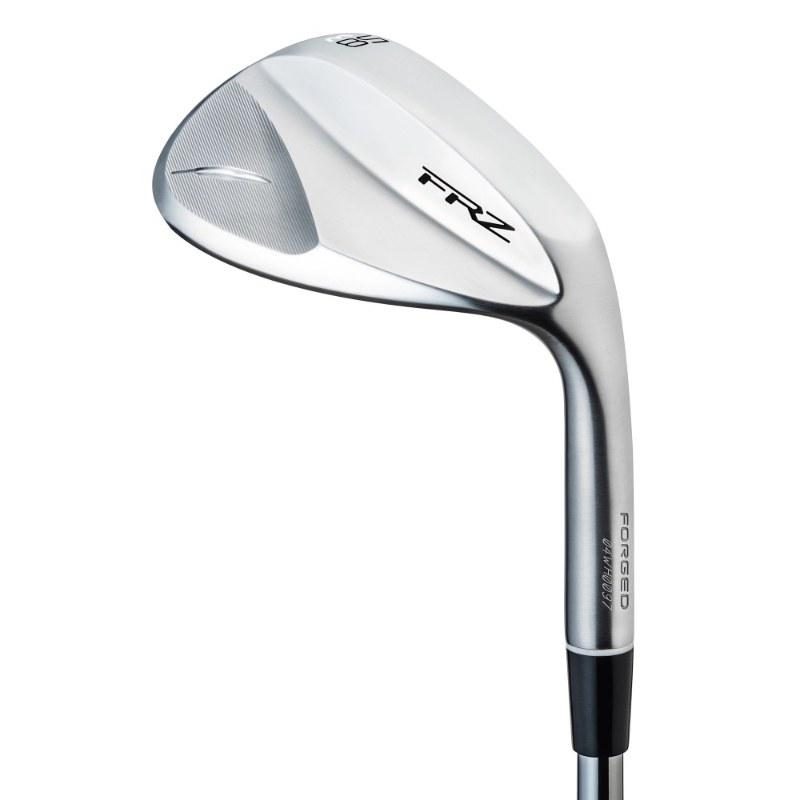
The FRZ is forged from S20C soft carbon steel, and Fourteen’s Japanese site lists it as made in Japan. Its standout feature is laser milling between the grooves, which Fourteen says adds friction to hold spin from wet grass, rough and sand. In the US it comes in black or chrome, in lofts from 46° to 60°, with a choice of sole grinds at 56°, 58° and 60°.
Independent testing backs up the spin claims. The FRZ finished third overall in MyGolfSpy’s 2025 Most Wanted Wedge Test, and in its wet-spin comparison it kept 98.5% of its dry spin on 50-yard shots, trailing only Cleveland’s two RTZ wedges in that table. One MyGolfSpy tester called it the “closest thing to a Vokey I’ve seen.”
Other reviewers agree. National Club Golfer called it “one of the highest-spinning wedges on the market,” and Golf Monthly praised its soft feel and spin, though it hadn’t yet tested it on a launch monitor and flagged groove wear as a possible weakness. The FRZ suits golfers who want maximum spin and consistency around the greens, especially if they often play in wet conditions. If you’d rather buy on Amazon, Mizuno Pro T-1 wedges are another Japanese option, Grain Flow Forged at Mizuno’s Hiroshima facility.
7. Bridgestone – Best Japanese Irons for Better Players
Pros
- One-piece forged in Japan, according to Bridgestone
- Pairs a players’ look with a little extra forgiveness
- Tour-proven: Chris Gotterup used Bridgestone’s 220 MB irons for three 2026 PGA Tour wins
- Sold through fitters, so every set is built to your specs
Cons
- Sold mainly through Bridgestone’s club dealers and fitters; its Amazon listings come from third-party sellers
- Few independent reviews of the 221 CB on its own
- Sold as a 4-iron to pitching wedge set only
- Bridgestone launched newer irons in Japan in September 2026, so a US update could follow
Most American golfers know Bridgestone for its golf balls, but the company has a long history of forged irons in Japan. After several years away from the US club market, it returned in December 2024 with three forged iron sets and a forged wedge. According to Golf Digest, Bridgestone partnered with Endo Manufacturing, one of Japan’s best-known forging houses and the maker of Epon irons.
The lineup runs from the 220 MB muscle back for elite players to the more forgiving 222 CB+, with the 221 CB in between. Bridgestone sells its irons through fitters rather than off the rack. At launch they were available only at Club Champion, and you can now find a fitter through Bridgestone’s club dealer locator. Japanese forging plus a fitting-first approach is why Bridgestone is our pick for better players who want classic forged irons.
Best Bridgestone Golf Clubs
221 CB Irons
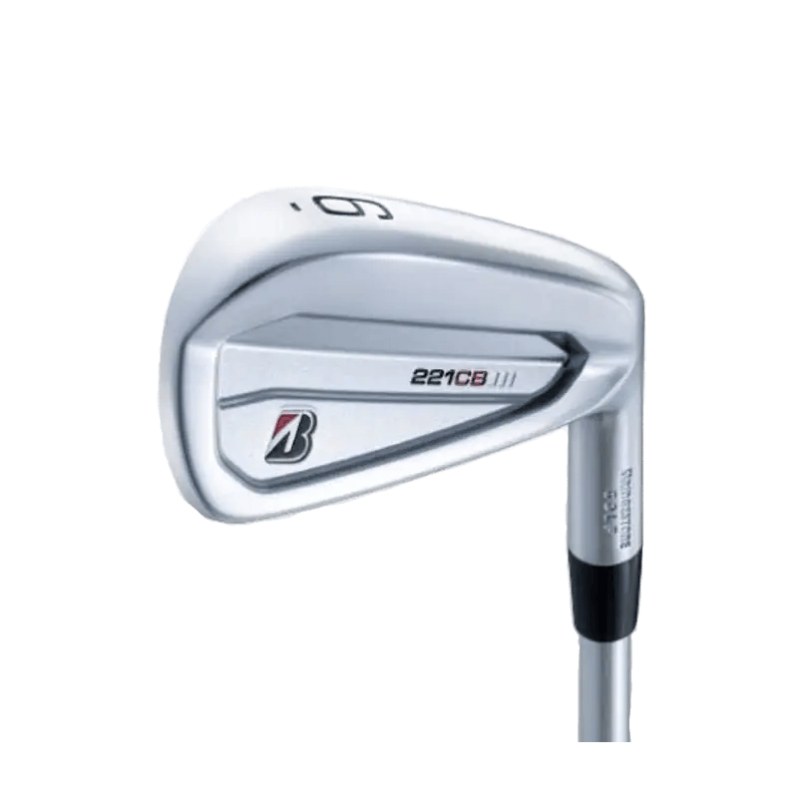
The 221 CB is a one-piece forged players’ cavity back. Its small cavity and wider heel add a little stability on off-center hits, while Bridgestone’s Tour Contact sole pairs a sharp leading edge with a cambered trailing edge for smooth turf interaction. The 4- and 5-irons add a dual-pocket cavity to help launch and stopping power on long approaches.
Independent reviews of the 221 CB on its own are limited. GOLF.com’s ClubTest page says it offers the most balance between forgiveness and performance in Bridgestone’s line. In a separate GOLF.com hands-on, contributor Kris McCormack, who spent six years as an executive at club fitter True Spec Golf, used a 221 CB 4-iron in a combo set with the 220 MB and said it gave him “a little more help launching it when I needed it.” The 221 CB suits low-to-mid handicappers who want a classic forged look with some forgiveness and are happy to get fitted.
One thing to watch: in September 2026 Bridgestone launched new B-Forged irons in Japan, according to Japan’s Minna no Golf Digest. Bridgestone hasn’t announced them for the US, and the 221 CB remains in its US lineup.
8. Epon – Best Boutique Forged Irons
Pros
- The in-house brand of Endo Manufacturing, a forging specialist that also makes clubheads for other brands
- Single-piece forged from S20C carbon steel, with tungsten weighting for extra stability
- A laser-milled face for consistent spin, including in wet conditions
- Reviewers praise its soft feel and muted sound
Cons
- Not on Amazon; sold through authorized Epon dealers and fitters
- Few independent reviews in the US
- Endo’s golf manufacturing is based in Thailand, according to Nippon.com, so Epon clubs aren’t necessarily made in Japan
Epon is the house brand of Endo Manufacturing, a forging company most golfers have never heard of, even though it makes clubheads for other brands. Endo was founded in 1950 in Tsubame, a metalworking center in Niigata Prefecture, began forging iron heads in 1968 and launched Epon as its own brand in 1977, according to Nippon.com. The same report says Endo moved its golf manufacturing to Thailand to stay cost-competitive, keeping the quality standards developed in Tsubame. Srixon and Bridgestone, which both work with Endo, say the irons they sell are forged in Japan, but Epon doesn’t say where the AF-307 is made. So treat Epon as a Japanese brand with Japanese engineering rather than assuming its clubs are made in Japan.
Epon clubs are sold through fitters rather than big-box stores, and you can find one with Epon’s US dealer locator. For golfers who want forged feel from the company that does the forging, Epon is our pick for the best boutique forged irons. If you’re weighing forged against cast irons, our guide to the advantages of forged irons explains the trade-offs.
Best Epon Golf Clubs
AF-307 Irons
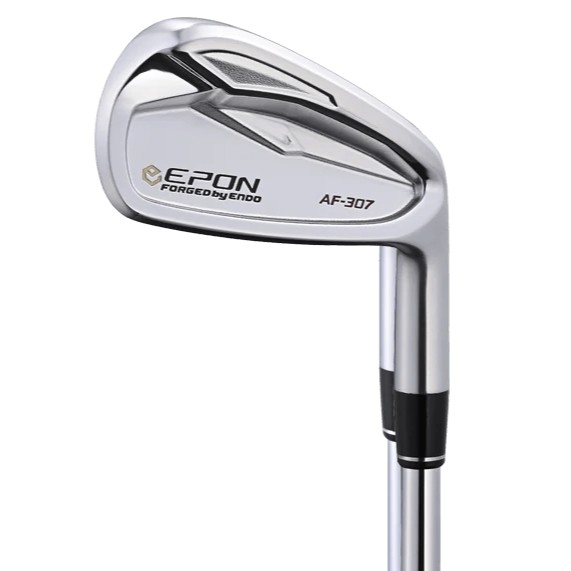
The AF-307 is Epon’s forged players’ cavity back, built for golfers who want a players’ look with a bit more help on mishits. It’s single-piece forged from S20C carbon steel, with tungsten weights in the toe and hosel areas to raise MOI, a slightly taller face and a thinner topline. Epon adds laser milling across the face to keep spin consistent in wet conditions. The set runs from 4-iron to pitching wedge, with a 32° 7-iron.
In the GolfWRX Club Junkie review, Brian Knudson praised the AF-307’s “impressively soft feel and muted sound.” He found the launch mid-to-high and most of the set easy to get airborne, and toe strikes still carried a decent distance. His one complaint was that the 4-iron launched a little flatter than he wanted. The AF-307 suits mid-to-low handicappers who want forged feel with some forgiveness and are willing to get fitted.
9. Mizuno M.Craft and Seven – Best Japanese Putters
Pros
- Mizuno’s M.Craft putters are forged in Japan from 1025E carbon steel, with a copper underlay for a softer feel
- The M.Craft Osaka was MyGolfSpy’s best overall blade putter of 2026
- Four M.Craft head shapes with two neck options each, in right- and left-handed models
- The M.Craft Osaka is sold by Amazon.com
Cons
- The plumber’s-neck Osaka has a lot of toe hang, so it suits arcing strokes better than straight ones
- Seven’s boutique putters are made in small numbers and have no independent reviews
Japan’s putter makers range from Mizuno, whose forged M.Craft putters are easy to buy in the US, to boutique workshops like Seven, which mills putters in small numbers in Kyoto. For most golfers, Mizuno’s M.Craft City Series is the one to buy. Launched in early 2026, it has four head shapes named after Japanese cities: the Kyoto and Osaka blades and the Nagoya and Tokyo mallets. Each is forged in Japan from 1025E carbon steel, with a copper underlay beneath the finish to soften feel and a deeply milled face for a consistent roll, according to Mizuno.
If you’re not sure whether a blade or mallet suits your stroke, our guide to putter types explains the differences, and our best blade putters roundup covers more options.
Best Japanese Putters
Mizuno M.Craft Osaka Putter
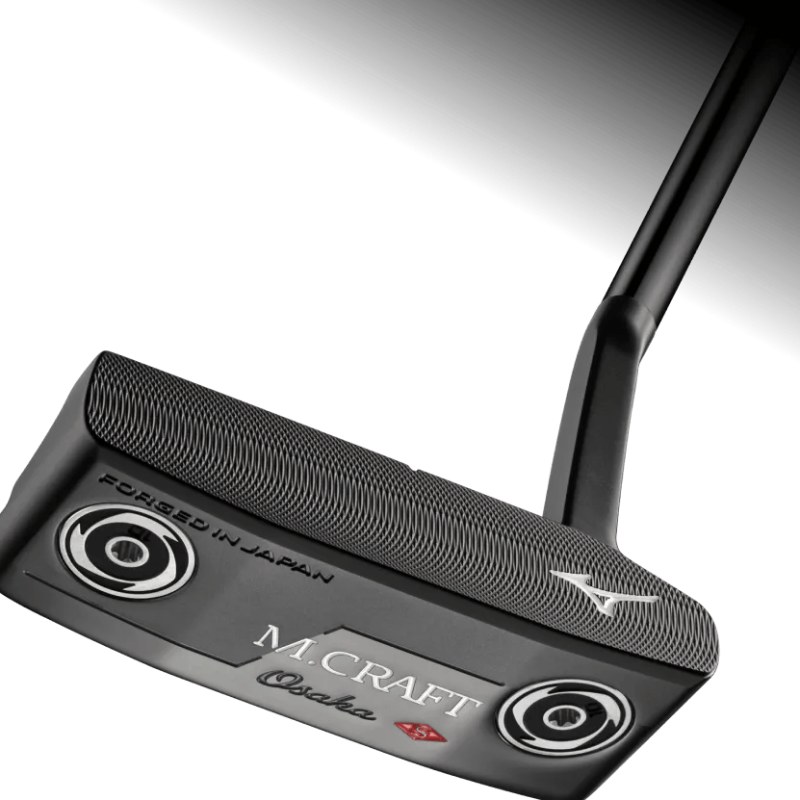
The Osaka is a compact, wide blade with a squared-off back. It comes with a plumber’s neck (43° of toe hang) or a slant neck (26°), in grey ion or nickel finishes, and in right- and left-handed models. Our link goes to the plumber’s-neck version, and you can choose the other options on the same page.
It’s the standout of the series in independent testing. In MyGolfSpy’s 2026 blade putter test, the M.Craft Osaka ranked first of 24 putters and won Best Overall, with the best results on short putts. One tester said, “Love the milled face. Distance control was consistent.” GOLF.com said the City Series putters “roll beautifully and have the feel of a much more expensive putter.” The main caveat is toe hang: MyGolfSpy noted that some golfers won’t want the Osaka’s strong toe hang, so if your stroke is fairly straight, try the slant-neck version or one of the City Series mallets.
Seven Arrow Putter (Boutique Pick)
If you want a collector’s putter, Seven makes its putters in Kyoto, milling the head and neck from a single block of steel on a five-axis CNC machine. The Arrow is a neo-blade with a swan neck that has about half the offset of a traditional plumber’s neck. It’s milled from SUS303 stainless steel, and its 42° balance angle suits a moderate arc stroke, according to Seven. We couldn’t find an independent review of Seven putters, so treat the Arrow as a craftsmanship purchase rather than a proven performer.
Why You Should Trust Us
Our team spends thousands of hours trying out and researching golf equipment to help you take your game to the next level. Here’s our product review process.
We can bring these reviews to you through the small commissions we earn if you buy through the links in this article.
How we chose these clubs: We checked every club above against the manufacturer’s current US product page to confirm it’s still in production and to source its specs and where it’s made. We then weighed independent evidence, including data-driven tests from MyGolfSpy, the Golf Digest Hot List, GOLF.com’s ClubTest and reviews from Golf Monthly, GolfWRX, National Club Golfer and Plugged In Golf. Where a club is too new for independent results, such as Srixon’s second-generation ZXi5, we say so. For clubs sold on Amazon, we link to listings sold by Amazon.com or the brand itself wherever possible. We did not hands-on test these specific models, so where a recommendation relies on someone else’s testing, we name the source.
Read more: The Best Golf Club Brands
Other Japanese Golf Brands Worth Knowing
Beyond the nine brands above, these are the other Japanese golf club brands you’re most likely to come across. Several are small forging houses that also make heads for bigger brands, and most sell mainly in Japan, so in the US you’ll usually find them through specialist importers and fitters.
- Fujimoto: Based in Ichikawa, Fujimoto Gikoh forged irons and wedges for other brands, including PRGR, for decades before launching its own irons in 2014, according to MyGolfSpy.
- Itobori: A small maker of forged irons and wedges whose name refers to its “one cut carving” method, in which each head is shaped individually before heat treatment, according to Haggin Oaks.
- Kyoei: A forging house that sells its own forged irons, such as the MB 1964 muscle back, according to retailer Haggin Oaks. It has also forged heads for other brands, including Vega.
- Majesty: A luxury brand founded in 1971 as part of Maruman, which later took the Majesty name for the whole company. Its clubs are aimed at golfers with moderate swing speeds, according to Golf Digest.
- ONOFF: The golf brand of Globeride, the company formerly known as Daiwa Seiko. Its Kuro line, which includes forged S20C cavity-back irons, is aimed at competitive players, according to MyGolfSpy.
- PRGR: The golf brand of tire maker Yokohama Rubber. Its high-rebound SUPER egg driver doesn’t conform to the Rules of Golf, and in the US it also sells portable launch monitors.
- Proto Concept: A boutique brand from forging specialist Endo and retailer Golf Partner, known for forged irons such as the C03TC.
- Vega: A maker of one-piece forged irons and wedges based in Ichikawa. Kyoei owned Vega until 2012, and its classic line has been forged at Kyoei’s facility, according to MyGolfSpy.
- Yamaha: Known for its inpres and RMX clubs, Yamaha announced in February 2026 that it’s ending its golf products business. It said shipments to retailers in Japan would end on June 30, 2026, and that it will keep repairing clubs during their warranty periods.
- Yonex: The Tokyo-based badminton and tennis company also makes EZONE golf clubs.
Not Japanese: Takomo often comes up alongside these names, but it’s a Finnish direct-to-consumer brand that launched with its 101 irons in 2021, according to GolfMagic.
Japanese Golf Clubs by Type
Shopping for one type of club rather than a brand? Here’s how our picks line up. Every club below is reviewed in the brand sections above, except the Mizuno Pro S-1 blade.
Best Japanese Golf Irons
Japan’s reputation rests mostly on forged irons, which are shaped from a heated billet of soft carbon steel such as S20C or 1025E. Multi-material and cast irons, like the Mizuno JPX925 Hot Metal and Srixon ZXiR, give up some of that forged feel for extra forgiveness. Forged isn’t automatically better, so start with the type that suits your game. Our guide to the advantages of forged irons explains the trade-offs.
| Type | Best for | Japanese picks |
|---|---|---|
| Blade / muscle back | Elite ball strikers who want maximum workability | Mizuno Pro S-1Not reviewed above; one-piece forged in Hiroshima |
| Players’ cavity back | Low-to-mid handicappers who want forged feel with a little help | Miura MC-502 · Bridgestone 221 CB · Epon AF-307 |
| Players’ distance | Mid handicappers who want forged feel with more speed | Mizuno Pro M-15 · Srixon ZXi5 |
| Game improvement | Beginners and high handicappers | Srixon ZXiR · Mizuno JPX925 Hot Metal |
| Lightweight | Seniors, women and slower swing speeds | XXIO 14 Irons |
The Mizuno Pro S-1 is a compact, one-piece muscle back made with Mizuno’s Grain Flow Forged HD process in Hiroshima, according to Mizuno. If you’re deciding between a blade and a cavity back, see our guide to blades vs. cavity backs. For more options, see our roundup of the best forged irons.
Best Japanese Golf Drivers
| Driver | Best for | Why |
|---|---|---|
| Srixon ZXi RKT MAX | Maximum forgiveness | Srixon’s highest-MOI driver yet |
| Honma TW777 Max | High launch and a premium build | 2026 Golf Digest Hot List Silver; draw bias suits slicers |
| XXIO 14 | Seniors and moderate swing speeds | 283 grams assembled, with an adjustable hosel |
| XXIO 14 Ladies | Women with slower swing speeds | 259 to 264 grams assembled; fixed hosel |
| Honma BERES 10 | Luxury buyers | Honma’s gold-accented, star-graded line |
Japan is also home to several well-known golf shaft makers, including Fujikura, Mitsubishi Chemical, Graphite Design and Nippon Shaft. Japanese-market (JDM) driver versions can be lighter or play softer than their flex label suggests, so check the specs before you import one. If weight is your priority, see our guide to the lightest golf drivers, or our best game-improvement drivers for more forgiving options.
Looking for Japanese wedges or putters? See our picks from Fourteen and Mizuno M.Craft and Seven above.
What To Consider When Purchasing Japanese Golf Clubs
Japanese golf clubs have a well-earned reputation for craftsmanship, but the right club for you depends more on fit than on where it was made. Here’s what to check before you buy:
- Get fitted first: A precisely forged Japanese head won’t help if the shaft, length or lie is wrong for you. As MyGolfSpy put it, any club that isn’t fit to your swing “isn’t going to be superior to anything.” That’s why boutique brands like Miura, Epon and Bridgestone sell mainly through fitters and authorized dealers. MyGolfSpy also notes that loft and lie are simple and cheap to adjust, and that forged irons should have them checked every year because the steel is softer.
- Match the brand to your swing speed: Lightweight brands like XXIO suit slower swings, while forged players’ irons from Miura, Epon and Bridgestone reward consistent ball strikers. If you want forgiveness, start with the Srixon ZXiR or the Mizuno JPX925 Hot Metal. If you want forged feel with more speed, look at the Mizuno Pro M-15 or Srixon ZXi5.
- Choose forged or cast for your game, not the label: Forged irons are prized for their soft feel, while cast and multi-material designs like the Srixon ZXiR and Mizuno JPX925 Hot Metal usually add forgiveness. Our Japanese irons table above shows which picks fall into each category.
- Check the shaft flex carefully: Shafts designed in Japan can play softer than the same flex label suggests. XXIO, for example, says its Japanese-made shafts play much softer than most US shafts, and it recommends its regular flex to golfers who would normally choose a senior flex.
- Know the difference between US and JDM models: Many Japanese brands sell different models at home than in the US. JDM (Japanese domestic market) imports can come with lighter builds, Japan-only shafts and, in some cases, drivers that don’t conform to the Rules of Golf. PRGR, for example, says its high-rebound SUPER egg driver doesn’t conform to USGA and R&A rules and should be used for private play only.
- Protect your warranty: Brands tie warranty coverage to where you buy. Honma’s warranty covers clubs bought from Honma or an authorized retailer, and Mizuno asks for proof of purchase from Mizuno or an authorized retailer. On Amazon, check who the seller is before you buy.
- Allow time for custom builds: Custom-built Japanese clubs can take weeks to arrive. Miura quotes three to five weeks for the MC-502, and Honma quotes four to six weeks for custom builds.
- Don’t assume “Japanese” means “made in Japan”: Some Japanese brands make clubs outside Japan. Check the “Made” line in our at-a-glance table above, or the brand’s product page, if origin matters to you.
Where to Buy Japanese Golf Clubs in the US
- Amazon: Mizuno, Srixon, XXIO and Honma’s TW777 line are all available. XXIO and Honma sell directly on Amazon, and many Mizuno and Srixon listings are sold by Amazon.com, which is who our links point to wherever possible. Bridgestone irons also appear on Amazon, but the listings we found were from third-party sellers, so we link to Bridgestone’s dealer locator instead.
- Brand websites and authorized dealers: Miura, Fourteen, Seven and Honma’s BERES line sell through their own US sites, and Bridgestone and Epon sell through dealer networks you can search on their websites.
- Fitters: For forged irons, a fitting is the best way to buy. Bridgestone launched its current irons exclusively at Club Champion, and Miura and Epon both sell through authorized dealers and fitters.
- JDM importers: If you want a Japan-only model, specialist importers can bring it in. Check the specs, rules conformity and warranty terms before you order.
FAQ
Which Golf Brands Are Japanese?
Mizuno, Srixon, XXIO, Honma, Miura, Fourteen, Bridgestone, Epon, PRGR, ONOFF, Majesty and Yonex are all Japanese golf brands, along with smaller makers such as Kyoei, Fujimoto and Vega. Srixon and XXIO are owned by Kobe-based Sumitomo Rubber Industries, which also owns US-founded Cleveland Golf. Yamaha, another long-time Japanese club maker, announced in February 2026 that it is ending its golf products business.
Is Srixon a Japanese Brand?
Yes. Srixon is owned by Sumitomo Rubber Industries, which is based in Kobe, Japan. Its second-generation ZXi irons (ZXi7, ZXi5, ZXi5+ and ZXiU) are forged by Endo Manufacturing in Japan, according to Srixon, though Srixon doesn’t say where the cast ZXiR is made. Srixon’s specialty wedges are sold under its sister brand, Cleveland Golf.
Is Mizuno a Japanese Brand, and Where Are Mizuno Golf Clubs Made?
Yes. Mizuno was founded in Osaka in 1906, is still headquartered there and made its first golf club in 1933. Its Mizuno Pro irons and Pro T-1 wedges are Grain Flow Forged at its facility in Hiroshima, Japan, according to Mizuno. Mizuno doesn’t publish an origin for every model, though. Its JPX925 Hot Metal product page, for example, doesn’t say where the iron is made.
Is Honma Made in Japan?
Largely, with one caveat. Honma has had its factory in Sakata, in Yamagata Prefecture, since 1981, and it grinds, finishes and assembles its clubs there, including the custom clubs it sells in the US. However, MyGolfSpy reported in 2021 that Honma’s clubheads are made in China. The company was founded in Yokohama in 1959, has been Chinese-owned since 2010, and its parent company, Honma Golf Limited, is listed in Hong Kong.
Is Takomo a Japanese Golf Brand?
No. Despite its Japanese-sounding name, Takomo is a Finnish brand. It sells direct to consumers and launched with its 101 irons in 2021, so you won’t find it among Japan’s traditional forging houses.
Which Irons Are Made in Japan?
Among our picks, Mizuno’s Pro irons, including the Pro S-1 and Pro M-15 we feature, are Grain Flow Forged in Hiroshima, Miura’s MC-502 and TC-202 are forged in Himeji, and Bridgestone says its 221 CB is forged in Japan. Srixon’s second-generation ZXi irons, including the ZXi5, are forged by Endo in Japan, according to Srixon. Epon is less clear-cut: Nippon.com reported that its maker, Endo, moved golf manufacturing to Thailand, and Epon doesn’t say where the AF-307 is made. Not every Japanese brand makes its irons in Japan, so check the product page if origin matters to you.
What Is the Most Popular Golf Brand in Japan?
XXIO. As of 2020, Golf Business News reported that XXIO had been Japan’s best-selling golf club brand every year since it launched in 2000.
Are Japanese Golf Clubs Better?
Not automatically. Japanese brands are known for forging and tight tolerances (Miura, for example, holds its heads to within half a gram of target weight), and some lead independent tests: the Mizuno M.Craft Osaka was MyGolfSpy’s top blade putter of 2026, and the Srixon ZXiR had the best forgiveness score in MyGolfSpy’s 2026 game-improvement iron test. Still, the best club for you is the one fitted to your swing, wherever it’s made.
Are Japanese Golf Clubs Different?
The biggest differences are in clubs made for the Japanese domestic market (JDM). They’re often lighter, Japanese shafts can play softer than US flex labels suggest, and some drivers sold in Japan, such as PRGR’s high-rebound SUPER egg, don’t conform to the Rules of Golf. Many boutique Japanese irons are also forged from soft carbon steel such as S20C rather than cast.
Why Are Japanese Golf Clubs So Expensive?
Mostly because of how the most famous ones are made and sold. Boutique makers like Miura forge and finish heads in small numbers and build every set to order, luxury lines like Honma’s BERES add premium materials and finishes, and clubs imported from Japan carry shipping and import costs on top. Mainstream Mizuno and Srixon iron sets are often priced in the same range as comparable sets from American brands, so the biggest premiums tend to be at the boutique and luxury end.
Are Golf Clubs Cheaper in Japan?
Not reliably. Prices depend on the model and the exchange rate, and the Japan-market version of a club is often built differently, with lighter weights, Japan-only shafts and, for some drivers, faces that don’t conform to the Rules of Golf. Brands like Honma and Mizuno also tie warranty coverage to buying from an authorized retailer, so a club bought in Japan may not be covered in the US. For most US golfers, buying the US version from an authorized seller is the safer choice.
What Pros Play With Japanese Golf Clubs?
Hideki Matsuyama and Shane Lowry are Srixon staffers, and Ryan Fox won the 2026 Open Championship with Srixon irons. According to Golf Monthly, Chris Gotterup won three 2026 PGA Tour events with Bridgestone 220 MB irons, Justin Rose won the Farmers Insurance Open with Miura TC-202 and MC-502 irons, and Steven Fisk won the ISCO Championship with Mizuno Pro S-3 irons. Brooks Koepka, a longtime Srixon player, split with the brand in 2026.
Conclusion
Japan’s golf club makers cover almost every type of golfer, from beginners and seniors to low handicappers chasing the feel of a forged blade. Mizuno and Srixon are the easiest to find in the US, while boutique names like Miura, Epon and Fourteen reward golfers who are willing to get fitted and wait for a custom build.
Mizuno is our pick for the best Japanese golf club brand overall, and its JPX925 Hot Metal irons are where most golfers should start. If you want forged feel with more speed, compare the Mizuno Pro M-15 with Srixon’s Japan-forged ZXi5. If you’re newer to the game, look at the Srixon ZXiR irons, and if you swing slower, try XXIO.
Skilled ball strikers should compare Miura’s MC-502, Bridgestone’s 221 CB and Epon’s AF-307 at a fitter, or try Mizuno’s Pro S-1 blade. If you want a true luxury set, Honma’s BERES 10 is the one to see. Whichever brand you choose, get fitted, and buy from the brand or an authorized retailer so your warranty is protected.
Read more:
- The 9 Best Golf Club Brands
- The 5 Best Mizuno Irons
- The Best Srixon Irons
- The 5 Best Forged Iron Sets

Matt has played golf since he was 4 years old and has written over 150 articles at GolfSpan since 2021. Matt specializes in product reviews using his postgraduate degree in Sports Marketing from Johan Cruyff Institute. Matt has a handicap index of 10.8 and currently plays weekly at Pilar Golf Course near his home in Buenos Aires, Argentina. He also loves his Callaway Odyssey Exo Rossie putter and likes a pepper steak pie with curry gravy at the turn. You can connect with him on LinkedIn.