There’s always a moment at the WM Open where you realize the tournament is having two separate events at the same time. One is a PGA Tour stop on a great, birdie-able golf course in Scottsdale. The other is a social experiment with a scoreboard.
This year, the messaging is that officials are ready. Fewer tickets, more security, quicker removals, less nonsense. That’s the claim. I’ve also never known a corporate entity to turn down profits in the name of humility and respect, so forgive me if I’m skeptical.
Last year was the proof of concept that a midstream crackdown doesn’t magically fix a crowd that’s already boiling. Cutting off alcohol late didn’t calm things down, it just redirected the energy. Once the vibe tips, you’re not putting that toothpaste back in the tube.
So if you’re wondering what to watch this week, here’s what I’m watching. Is the “crackdown” real, or is it just better PR. And does the golf get a fair chance to matter underneath the noise.
Fans, boundaries, and a reality check
The WM Open has a brand now. People show up expecting chaos, and they show up trying to be the main character. Everybody wants their moment. Everybody wants their clip. Nobody wants consequences.
You can call it “rowdy” when it’s harmless. You can call it “electric” when it’s loud but respectful. You start calling it something else when lewd behavior, crass actions, and entitlement become the point of the day.
If officials really are moving toward faster ejections, you’re going to see a predictable pattern. Smaller galleries by the afternoon, a lot of early bravado, and a lot of empty seats that used to be filled by people who confused “fun” with “I can do whatever I want.”
And here’s the part everyone ignores. Strict enforcement doesn’t eliminate bad behavior, it just tests how badly people want to keep acting that way when there’s a real cost attached. If the cost is real, the crowd changes. If it’s not, the crowd stays the same, and the headlines write themselves.
If you want a quick sense of why this tournament is always under a microscope, start with the basics of the place itself. TPC Scottsdale is built for spectators, especially late in the round, and it’s a magnet for the kind of energy that turns a normal Thursday into a circus. This overview of the best golf courses in Scottsdale gives you the context for why this venue, and this week, always feel different.
The 16th hole, and why the change makes great TV
The 16th hole is the epicenter. Everybody knows it. Everybody plans around it. It’s the place where a normal par 3 turns into a stage, and the players feel it before they even step on the tee.
This year, the talk is that the tournament is adding even more access to the hole and its players via a bar and restaurant setup. That’s the official “enhanced experience” angle. In real life, it’s more fuel and more proximity, and you’re giving it to the most emotional part of the property.
Will it make great TV. Yes. Will it help the tournament’s reputation or keep things under control. No. You don’t tighten standards by building a new pipeline to the loudest corner of the tournament.
It’s almost like the event coordinators are trying to incite a riot for more publicity, and I wouldn’t put it past them. The WM Open doesn’t just tolerate the spectacle, it’s been marketing it for years.
If you want to understand why the 16th has the gravity it does, it helps to remember what that hole represents historically. It’s a stage where iconic moments get amplified by a crowd that’s basically standing on top of you. We also break down the Phoenix Open connection in this explainer on what an ace means in golf, including the kind of 16th hole moment that still gets replayed because the setting makes it feel unreal.
Golf talk
If you’re still with me, welcome to the part where I actually talk about golf and not high school drama. Because there are real players here this week, and that doesn’t always happen at every stop in a way that feels this loaded.
Start with Scottie Scheffler. If he wins again this week, it’s just another chapter in what’s starting to feel like a reign of terror on the PGA Tour. Last year he finished tied for 25th, and it’s easy to overreact to that until you remember it was early for him, coming off a hand injury, and it was basically the lowest he finished in any tournament all year.
When Scheffler is on, the pressure shifts to everyone else. The conversation stops being “can he contend” and turns into “who can keep up.” That’s why anything outside the top three this week will feel like a disappointment to him and his fans.
If you want the long view on why he’s starting to warp expectations, this breakdown of Scheffler’s all-time trajectory gets into the bigger picture, and it explains why a normal “good week” doesn’t feel good enough anymore.
Then you’ve got Brooks Koepka. He made the cut last week on a tough Torrey Pines style track, and this week should feel more comfortable because he’s won here twice. That matters. Some venues fit a player’s eye, fit their patience level, and fit their appetite for birdie runs.
Koepka also tends to be at his best when the environment is loud and the questions are direct. Win or don’t win. Execute or don’t execute. That mindset translates well to a week where distractions are everywhere.
And if you’re curious what he’s actually gaming when he’s comfortable and attacking, we’ve had look at Brooks Koepka’s clubs, which is useful context when you’re watching how he plays a course that invites aggression.
The third player I’m watching is Sahith Theegala, because his story is quieter and it’s the kind of thing that actually tells you how brutal tour life is. After a strong 2024 season, he fell hard last year and lost full status. Conditional status gave him a narrow window this year, and he’s done what he had to do, making cuts early and stacking finishes that keep the door open.
That’s why this week matters for him. This is a course where you can make birdies, and if you’ve got momentum, you can keep it rolling. He’s on the cusp of qualifying for upcoming signature events, and that’s not a small thing. It’s a career lever.
What to watch if you want the real story, not just the clips
Here’s my simple scoreboard for the week. Not the one on the big screen, the one that tells you whether the tournament’s “changes” are real.
- Do officials actually enforce behavior standards early, or do they wait until it’s out of hand.
- Does the new 16th setup improve viewing without turning the hole into a magnet for the worst impulses.
- Does Scheffler keep the pressure on the entire field, or does someone finally make him chase.
- Does Koepka look like a guy who knows exactly where he is, and exactly how to win here.
- Does Theegala stay in that “cusp” zone, or does he turn it into a real statement week.
The WM Open always sells itself as a party. This year, the real question is whether the people running it actually want control, or whether they just want better optics while the same thing plays out again. Either way, you’re going to get a story. The only difference is whether it’s the one they planned, or the one they created by pretending the crowd will police itself.
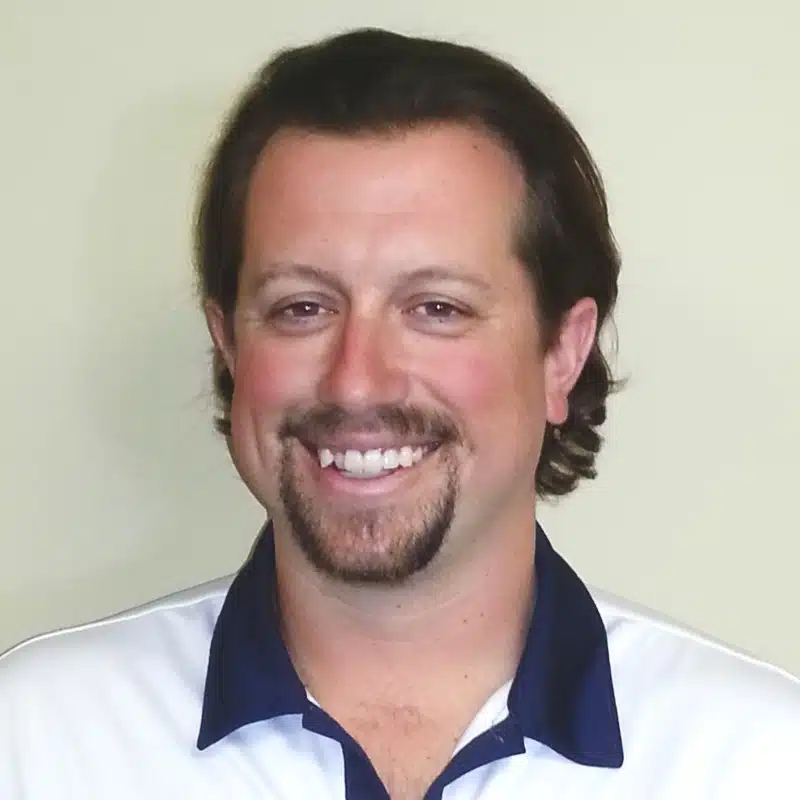
Clint is PGA-certified and was a Head Teaching Professional at one of Toronto's busiest golf academies. He was also featured on Canada's National Golf TV program, "Score Golf Canada," twice. He graduated with a degree in Golf Management from the College of the Desert in California and studied under Callaway's co-founder, Tony Manzoni. He has a handicap index of 6.2 and spends the winters near Oaxaca, Mexico, where he plays twice a month at the Club de Golf Vista Hermosa. He's written over 100 articles at GolfSpan since 2021. You can connect with Clint at LinkedIn, FB, his website, or Clintcpga@gmail.com.