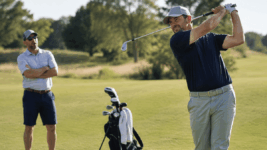
Two people were shot and killed in a Walgreens parking lot about a mile from TPC Sawgrass on Friday night. The suspect fled onto PGA Tour property, picked up a tour radio, stole a BMW, and had canine units tracking him across the same fairways Cameron Young would win on two days later.
That’s the sentence I keep rereading, because it still sounds like fiction.
What actually happened at TPC Sawgrass
Around 10:30 PM on Friday, during the Players Championship, a man allegedly shot two people multiple times in that parking lot. Both victims were taken to a nearby hospital. According to the St. Johns County Sheriff, neither survived.
After the shooting, the suspect ran onto TPC Sawgrass. He made contact with PGA Tour employees and volunteers. He grabbed a tour radio. He then committed a burglary and stole a black BMW from the property. Nassau County police eventually pursued the vehicle, forced it into a crash, and tracked Barrios on foot before arresting him early Saturday morning.
The PGA Tour delayed opening the gates for Round 3 by two hours. The official statement cited “operational considerations.” Tee times stayed the same. By mid-morning, the tournament was rolling again like nothing happened.
The part that keeps bothering me
A suspected double murderer was physically on tour grounds, interacting with staff, while the biggest non-major in golf was being held that week. That’s the fact. Not in the parking lot. Not adjacent to the venue. On the property.
If the timeline shifts by a few hours, if this happens at 6 AM instead of 10:30 PM, you have fans inside those gates. You have families. You have tens of thousands of people in a space that was, at that moment, part of an active crime scene.
I’m not trying to manufacture panic. The suspect was caught. Nobody on tournament grounds was physically harmed. The PGA Tour responded, and law enforcement did their job.
But “nobody got hurt this time” is not a security strategy.
Golf events feel safe. Is that the problem?
Part of what makes attending a PGA Tour event appealing is the atmosphere. It feels relaxed. It feels controlled. You walk through the gates, grab an overpriced sandwich, find a spot on 17, and spend the afternoon watching the best players in the world do their thing. If you’ve never been to a PGA Tour event, the vibe is closer to a country club than a stadium.
That atmosphere creates a perception of safety that may not match reality. TPC Sawgrass sits in a mixed-use area. There’s commercial development nearby. A Walgreens a mile away is not some distant threat. It’s the kind of place you walk to if you forgot sunscreen.
The question isn’t whether the PGA Tour can prevent every crime in a one-mile radius. Obviously not. The question is whether golf events are prepared for what happens when violence comes to their perimeter, and whether the protocols in place are good enough when the timeline gets tighter.
What the PGA Tour’s response tells us
The two-hour gate delay was the right call. Full stop. Nobody should have a problem with that.
The phrasing, though, is worth paying attention to. “Operational considerations” is corporate language designed to avoid saying what happened. And the tour eventually addressed it more directly once the story broke in the press. But the instinct to soften it, to keep the focus on the golf, is exactly the reflex that makes people nervous.
Golf is a business. The Players Championship has a $25 million purse and massive broadcast commitments. Cameron Young just won $4.5 million on Sunday. There are real financial reasons to keep the show moving. Nobody disputes that.
Still, fans deserve transparency. If a murder suspect was on your tournament grounds eight hours before the gates opened, say that. Say what you did about it. Say what changes, if any, you’re considering going forward. Treat the people who buy tickets like adults.
Should you still go to golf tournaments?
Yes.
I coach golfers. I attend these events. I’m not telling anyone to stay home. What I am saying is that the conversation about security at professional golf events just got more serious, and it should stay that way.
Golf tournaments are some of the most accessible major sporting events in the country. That’s part of why people love them. But accessibility and security have to coexist, and this week showed us what happens when the line gets tested.
A few things worth watching going forward:
- Perimeter security: How a suspect accessed tour property on foot during a manhunt is a question that needs a clear answer.
- Communication speed: Fans should know what’s happening in real time, not after a reporter breaks the story.
- Venue selection pressure: Courses surrounded by public infrastructure face different risks than remote resort courses.
- Precedent: How the PGA Tour handles this publicly will set the tone for how future incidents are managed.
Cameron Young still won, and that matters too
I don’t want the security story to erase what happened on the course. Cameron Young chased down a four-shot deficit, hit a 375-yard drive on 18, and won the biggest tournament of his career by one shot over Matt Fitzpatrick. That’s elite golf under real pressure.
But the fact that his crowning moment shares a weekend with a double homicide and a manhunt on the same grounds should make everyone pause. Not to panic. Just to acknowledge that the world outside the ropes showed up at TPC Sawgrass this week, and golf wasn’t fully ready for it.
Where this conversation goes next
The PGA Tour moves to the Valspar Championship this week. The news cycle will shift. The Players Championship will be remembered for Cameron Young’s finish, not for what happened Friday night. That’s how sports work.
But if you’re a fan who plans to attend a tournament this year, or if you’re a parent deciding whether to bring your kids to a PGA Tour event, this is the kind of story that stays with you. And it should.
Golf has always felt like a safe place. For most people, it still is. The job now is making sure that feeling is backed up by something real, not just by the quiet assumption that bad things happen somewhere else.
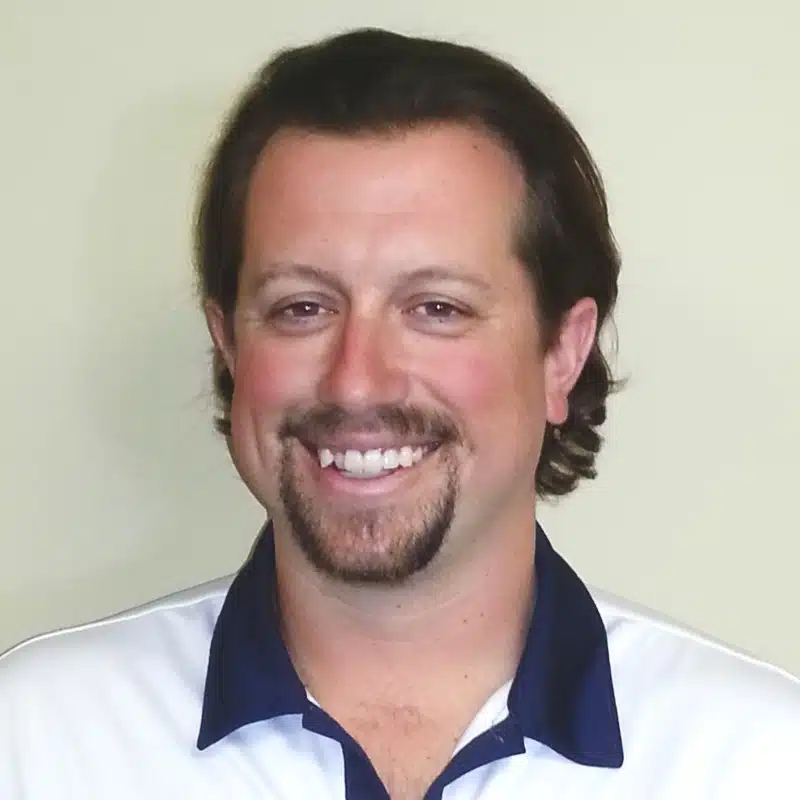
Clint is PGA-certified and was a Head Teaching Professional at one of Toronto's busiest golf academies. He was also featured on Canada's National Golf TV program, "Score Golf Canada," twice. He graduated with a degree in Golf Management from the College of the Desert in California and studied under Callaway's co-founder, Tony Manzoni. He has a handicap index of 6.2 and spends the winters near Oaxaca, Mexico, where he plays twice a month at the Club de Golf Vista Hermosa. He's written over 100 articles at GolfSpan since 2021. You can connect with Clint at LinkedIn, FB, his website, or Clintcpga@gmail.com.