Let me set the scene for you. Jon Rahm is one of the most competitive players in professional golf. He wears his emotions on his sleeve, he plays with fire in his eyes, and when something bothers him, you know about it. So when Rahm is publicly venting about a tour’s requirements, that is not a minor complaint. That is a signal. And right now, the DP World Tour may have just lit a fuse they cannot unlight.
Here is what is happening, and why the golf world should be paying close attention to every word of it.
What the DP World Tour Actually Did
The DP World Tour did not just ask Rahm to show up more. They cranked up the requirements in a way that goes well beyond a scheduling ask. Instead of the four events Rahm was previously committed to, they want six. And it is not just the number that has him fired up. They also want to select two of those tournaments for him.
Read that again. The tour wants to pick which events Rahm plays. Not suggest. Not request. Pick.
For any professional golfer, that is a serious overstep. But for a player of Rahm’s caliber, a two-time major champion who has earned every bit of his standing in this sport, it lands differently. DP World Tour membership requirements have always carried weight, but this feels like something else entirely. This feels like the tour using Rahm’s name and draw for maximum publicity while calling it a compliance issue.
Rahm himself put the word out there: extortion. That is a loaded word. He did not choose it by accident.
Is He Right to Call It Extortion?
Here is where it gets interesting, because I think Rahm has a legitimate point even if the word is strong. Think about the business model of professional golf tours for a second. The tours generate enormous revenue through broadcast deals, sponsorships, and ticket sales. The players generate that revenue by showing up, competing, and putting their names on the marquee. But the players themselves operate as independent contractors. No guaranteed salary. No appearance fee unless the event specifically provides one. Miss the cut and you go home with nothing.
So when a tour mandates that a player of Rahm’s stature appear at six specific events, two of which the tour gets to choose, the tour is essentially using his commercial value to drive their own revenue without giving him meaningful control over his own schedule. When you frame it that way, the frustration makes complete sense. The rules changed after Rahm made commitments based on a different understanding. That is not good faith governance. That is leverage. And it is worth understanding exactly how tour ownership and governance structures work to appreciate why players have so little recourse when the goalposts move.
The LIV Context You Cannot Ignore
None of this exists in a vacuum. Rahm made the move to LIV Golf, and that decision came with complications from the European tour side of his career. If you want to understand the full picture of how the LIV controversy reshaped professional golf and the relationships between players and tours, the Rahm situation is the clearest current example of those tensions playing out in real time.
The question worth asking is whether the DP World Tour’s new requirements are a genuine policy position or a targeted response to LIV defectors. Because the timing matters. Tightening requirements specifically for players who made choices the tour disapproved of looks less like policy and more like punishment. And if that is what this is, Rahm is right to push back hard.
Brooks Koepka went through his own version of this. But Koepka had five majors and a longer runway of wins to negotiate from. What Koepka’s situation revealed about the dynamics between LIV players and the tours they left is directly relevant here. Rahm has two majors, which is an elite resume by any normal standard, but in this particular negotiating environment it gives him slightly less leverage than a player with Koepka’s win total. That asymmetry matters, and it probably adds to the frustration.
What Rahm’s Options Actually Look Like
This is the part of the story that gets genuinely interesting. If the DP World Tour is making demands that Rahm finds unreasonable, what does he actually do about it?
One path is compliance. He plays the events, fulfills the requirements, and moves on. But that sets a precedent that the tour can keep moving the goalposts without consequence, which is not a sustainable position for any player who values autonomy over their schedule.
Another path is a full break from the DP World Tour. Walk away from European tour events entirely and operate exclusively on LIV and whatever other opportunities become available. That has real consequences for his Ryder Cup eligibility, which matters deeply to Rahm given how much that team competition means to him personally. The Ryder Cup selection process ties directly to DP World Tour standing for European players, and Rahm knows better than anyone what is at stake there.
The third path is the one the golf world is watching most closely right now: a return to the PGA Tour. The ongoing tension between PGA Tour and LIV Golf creates a landscape where that door is not fully closed. If a framework emerges that allows LIV players back into the PGA Tour ecosystem, Rahm becomes one of the most valuable names in that conversation.
Why the DP World Tour Should Be Nervous Right Now
Here is the part I keep coming back to. The DP World Tour needs Jon Rahm more than Jon Rahm needs the DP World Tour. Full stop.
When Rahm tees it up in a European tour event, that event carries weight. Media shows up. Fans tune in. Sponsors get value. Remove Rahm from that picture and you have a noticeably smaller event. That is not an insult to the other players in the field. It is just the reality of what a generational talent does for the commercial profile of any tournament he enters. Take a look at what Rahm brings to every competitive round and you begin to understand what the DP World Tour stands to lose if this goes sideways.
Pushing a player of that stature to the point where he uses the word extortion publicly is a dangerous game. Because if Rahm walks, or finds a way to restructure his relationship with European golf on terms that cut the DP World Tour out entirely, the tour loses far more than it gains from the extra two mandatory events they were fighting for.
Power moves in professional sports almost always look stronger than they are. And this one may have already backfired.
My Read on Where This Ends Up
I do not think Rahm leaves European golf completely. The Ryder Cup pull is too strong for that. He grew up shaped by European golf culture, and that identity runs deep. But I do think this conflict forces a negotiated resolution, and Rahm comes out of that negotiation with more favorable terms than the DP World Tour originally intended to offer. Because once you go public with the word extortion, you change the dynamic entirely. You force the other side to either double down or back off. And doubling down on Jon Rahm looks like a losing bet from where I am standing.
The golf world is watching. Drop your thoughts in the comments. Do you think Rahm should walk away from the DP World Tour entirely, or is this a fight worth winning from the inside? Everything Rahm has built in this sport suggests he has the leverage to win it either way.
Frequently Asked Questions
Why is Jon Rahm angry at the DP World Tour?
The DP World Tour increased their event commitment requirements for Rahm, asking him to play six events instead of four and reserving the right to select two of those tournaments themselves. Rahm has spoken publicly about his frustration with this arrangement, calling it a form of extortion and questioning whether the tour is overstepping its authority over independent contractor players.
What are the DP World Tour membership requirements?
DP World Tour members are required to compete in a minimum number of tour events each season to maintain their membership status. The specific number and conditions have evolved over time, and the tour has applied additional requirements to players who are also competing on LIV Golf.
Could Jon Rahm return to the PGA Tour?
A return to the PGA Tour remains a possibility, particularly as ongoing negotiations between LIV Golf and the PGA Tour continue to shape the competitive landscape. If a framework is established that allows LIV players to compete in PGA Tour events, Rahm would be among the most sought-after names in that conversation.
How does LIV Golf affect a player’s DP World Tour eligibility?
Players who joined LIV Golf faced eligibility restrictions from both the PGA Tour and the DP World Tour. The DP World Tour has applied specific requirements and conditions to LIV players who wish to maintain membership and compete in European tour events, which is at the center of Rahm’s current dispute.
Is Jon Rahm eligible for the Ryder Cup?
Ryder Cup eligibility for European players is tied to DP World Tour membership and performance. If Rahm were to sever ties with the DP World Tour entirely, his Ryder Cup eligibility would be in serious jeopardy. This is widely considered one of the most significant factors in why Rahm has not simply walked away from European tour obligations altogether.
Are professional golfers independent contractors?
Yes. Professional golfers on major tours operate as independent contractors, not salaried employees. They receive no guaranteed income, earn prize money only when they make cuts and finish in paying positions, and bear full financial responsibility for their travel, coaching, and equipment costs. Tours and sponsors generate revenue from the players’ participation, which is why the debate over mandatory event requirements carries significant financial and philosophical weight.
How does Jon Rahm’s major record compare to other LIV players?
Rahm has won two major championships, the 2021 U.S. Open and the 2023 Masters. That places him in elite company, though players like Brooks Koepka with five major titles carry more negotiating leverage in disputes with tours due to the commercial value attached to a larger win total.
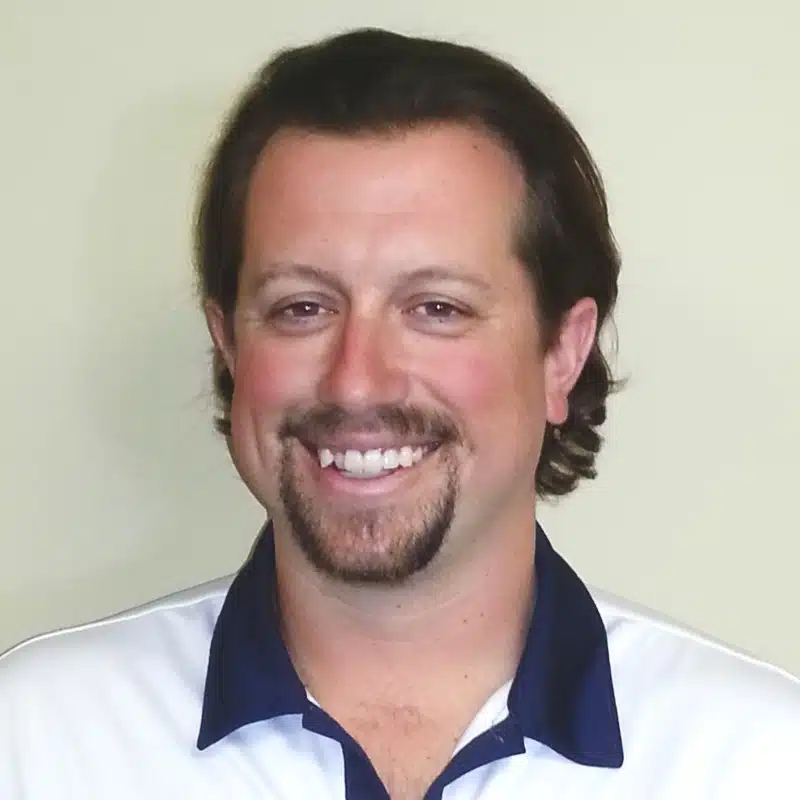
Clint is PGA-certified and was a Head Teaching Professional at one of Toronto's busiest golf academies. He was also featured on Canada's National Golf TV program, "Score Golf Canada," twice. He graduated with a degree in Golf Management from the College of the Desert in California and studied under Callaway's co-founder, Tony Manzoni. He has a handicap index of 6.2 and spends the winters near Oaxaca, Mexico, where he plays twice a month at the Club de Golf Vista Hermosa. He's written over 100 articles at GolfSpan since 2021. You can connect with Clint at LinkedIn, FB, his website, or Clintcpga@gmail.com.