This week has serious major vibes.
We have 48 of the top 50 players in the world showing up, on one of the most iconic courses on the planet, a place that has hosted U.S. Opens and does not care about your world ranking.
When the weather turns unpredictable here, it can get ugly fast. A few miles per hour of wind, a small temperature drop, and suddenly you are watching elite players fight to save par.
That is why this tournament matters. The field is loaded, the course has teeth, and the conditions can flip the entire script between Thursday morning and Sunday afternoon.
Why this week can turn into a bloodbath
This course already demands discipline, then you add weather that can change by the hour. If the wind picks up and the air gets heavy, you will see more players choosing control over firepower, more conservative lines off the tee, and a lot more stress from 125 yards and in.
If you want to understand what the best players do when they need to flight it down, we’ve talked before about how to hit a low golf shot in windy conditions. That’s an idea you’ll see on repeat this week.
And when conditions get jumpy, tempo becomes the silent separator. Players rush, they try to force speed, and they spin the ball too much into the wind. A steady rhythm travels. If you want the simple why behind that, read more on tempo in the golf swing.
The stars are here, and the timing matters
Rory, Scottie, Justin Rose, and Tommy Fleetwood are all teeing it up, and that alone changes the energy of the week. Scottie has already shown he still has it this year, with a win three weeks ago and a tie for third last week in Phoenix.
Rose has played twice this year and won the Farmers on a tough Torrey Pines track. Rory and Fleetwood make their 2026 debut, and both are coming off arguably their best seasons of their careers. Rory also returns as the defending champion, after going 21 under here last year.
When you get a course like this plus a field like this, you stop thinking in terms of highlight reels and you start thinking in terms of decisions. That is the real story. Who stays patient, who takes what the course gives, and who forces a shot that never existed.
Two players I am watching closely
First, Hideki Matsuyama. He probably feels robbed after last week, losing in a playoff while dealing with two gallery disruptions during his swing, one on the 72nd hole with a putt to win, and another during his tee shot in the playoff. Players do not forget that. He will show up with something extra.
Second, Si Woo Kim. He has played all four events this year and already pocketed over a million and a half in winnings. His finishes read like a heater, tied for 11th, sixth, second, third. When a player stacks weeks like that, you pay attention, especially on a course that punishes sloppy golf and rewards commitment.
What I look for as a coach
Here is the lens I use when I watch a week like this. I am looking for three things: control off the tee, distance control into greens, and emotional discipline when the course says no.
- Off the tee, you will see players pick smarter shapes, often taking the big miss out of play and living with the second-best angle.
- Into greens, you will see more shots that prioritize the right section of the green instead of the flag.
- Mentally, you will see the best players separate planning from execution. They think, then they swing, and they do not mix the two.
There are golf mental tips from a PGA professional that discuss a practical mental framework that matches what elite players do under pressure. And with this lineup, pressure is coming.
If the wind shows up, watch for these adjustments
If conditions get rough, you are going to see the same patterns over and over. These are not tricks. They are survival habits.
- More club, less swing. Players take an extra club and move it with a smoother tempo.
- Lower windows. You will see more punchy flights and fewer floaters.
- Smarter aim points. Wind turns a perfect line into a bad one fast. Good players aim for a finish, not a start line.
- More bump and run around greens. When it gets gusty, keeping it on the ground can be the highest percentage play. Not sure about those? Here’s how to hit a bump and run.
- Less panic after a mistake. Bogeys happen on hard courses. The key is limiting the damage and keeping the next decision clean.
Why you should tune in this weekend
This is the kind of week where anything can happen, and that is not marketing fluff. The course becomes a character, and the weather can flip momentum in a single stretch of holes.
You have a defending champion, a world-class field, a player hunting redemption, and another riding a hot streak. Add one shift in wind and temperature, and you get exactly what golf fans want: real pressure, real consequences, and a leaderboard that does not feel settled until the final holes on Sunday.
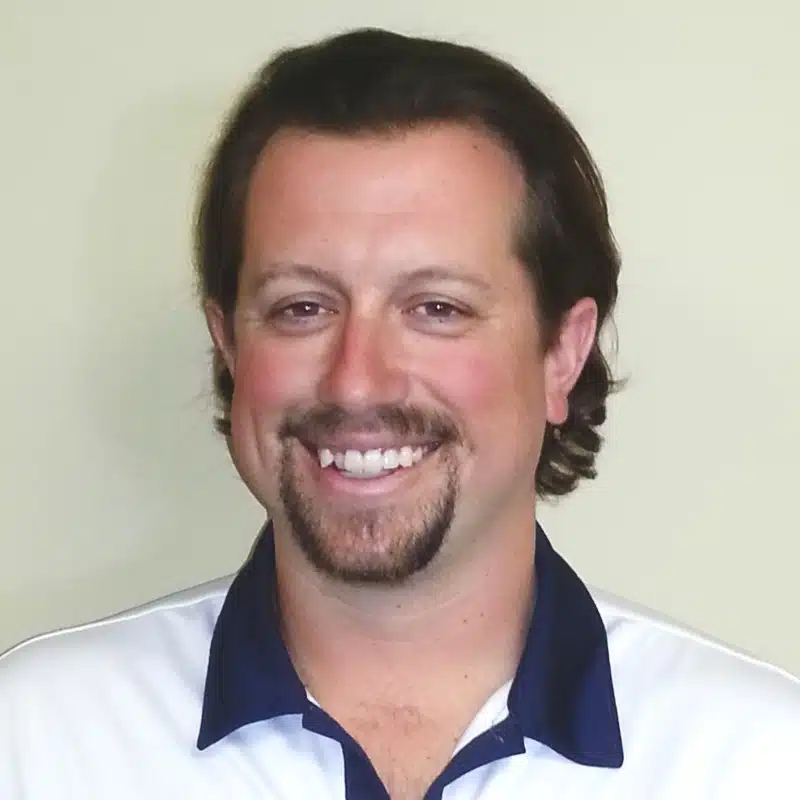
Clint is PGA-certified and was a Head Teaching Professional at one of Toronto's busiest golf academies. He was also featured on Canada's National Golf TV program, "Score Golf Canada," twice. He graduated with a degree in Golf Management from the College of the Desert in California and studied under Callaway's co-founder, Tony Manzoni. He has a handicap index of 6.2 and spends the winters near Oaxaca, Mexico, where he plays twice a month at the Club de Golf Vista Hermosa. He's written over 100 articles at GolfSpan since 2021. You can connect with Clint at LinkedIn, FB, his website, or Clintcpga@gmail.com.